
Chapter 3
Aftermath
At first light, Jamaica takes stock of what remains.
Roads gone. Roofs torn away. Entire neighbourhoods buried under debris or swallowed by floodwater.
Sustained winds up to 298 kilometers per hour, one of the most intense Atlantic hurricanes ever recorded.
The strongest storm to strike Jamaica in over 170 years.
Nearly 80 percent of the country left without electricity.
537,000 people experiencing power outages.
Severe damage to farms across St. Elizabeth.
Widespread roof loss, collapsed homes and submerged communities.
Roads, bridges and the electricity grid severely compromised.
Satellite-based assessments, conducted with UNDP support, reveal the full extent of what Melissa left behind.
tonnes of debris
people displaced from their homes
of buildings damaged in some towns
structures sustaining major damage
families severely affected
people impacted
For the people who lived through the night, the damage is not a statistic. It is their home, their business, their livelihood, their life.
Small Island Developing States like Jamaica are on the frontlines of the climate emergency. They've contributed little to the cause of the crisis, still they face disproportionate impacts. The severity of Hurricane Melissa was made six times more likely owing to human-induced climate change. Jamaica was also exposed to structural risks even before Melissa made landfall. That vulnerability will shape the recovery plan.
Nearly 80 percent of the population live within five kilometres of the coast, putting homes, jobs and infrastructure directly in the path of storm surge and flooding. Some 97 percent of businesses are micro, small, or medium-sized enterprises, providing roughly 80 percent of all employment. Unlike large companies, many operate without insurance, cash reserves, or the financial cushion to survive even a few weeks without income. When a storm hits, it impacts people's livelihoods immediately and personally.
Nearly 80 percent of the population live within five kilometres of the coast
Some 97 percent of businesses are micro, small, or medium-sized enterprises, providing roughly 80 percent of all employment
Women help drive Jamaica’s economy. They own 58 percent of small and micro enterprises. But when disaster strikes, they face layered obstacles, including heavier caregiving responsibilities, lack of capital and insecure land rights. For women with disabilities, every one of these challenges is harder still.
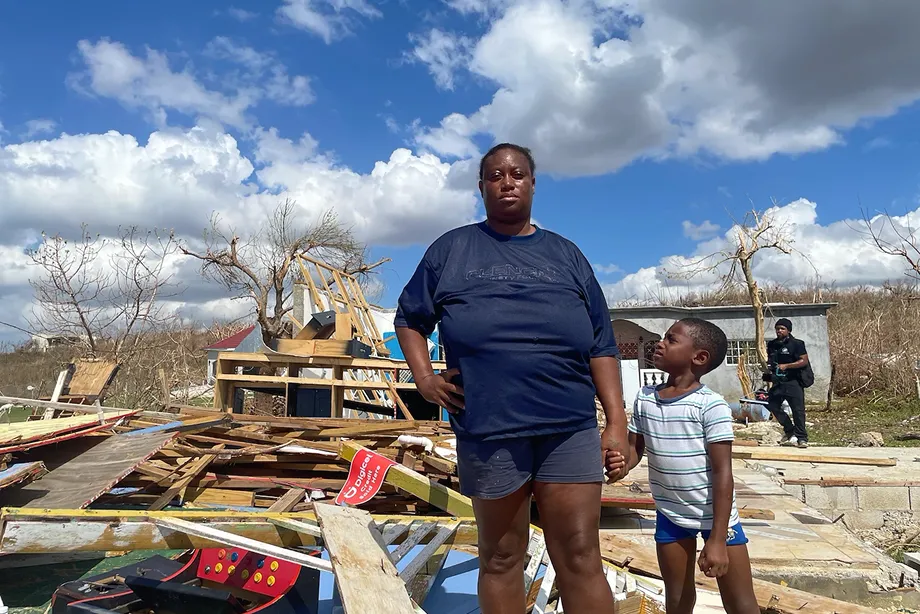
Meggy Rowe, who ran a barbershop and bar a few miles outside Black River, lost her home and businesses to Hurricane Melissa. Her story underscores the urgent need to revive small enterprises, which provide essential goods and services to their communities.
UNDP Jamaica / Anorak Productions
The long-term picture is sobering. Hurricane Melissa devastated socio-economic systems, with over US$12 billion of loss and damage, or 57 percent of GDP. This was the hardest hitting climate induced disaster in the country’s history. Without action to rapidly scale up climate adaptation and disaster risk reduction systems, these types of devastating events will increase in frequency and severity around the world, threatening to roll back countries’ hard-won development gains.
Melissa did not create these vulnerabilities. It exposed them.
Three stories.

"The rain and the wind just came gushing in on me. At one time I thought the building was going to come down on me."
"The hurricane demolished everything. I lost most of my clothes, most of my goods. I'm also homeless at the moment—just fighting now to get everything back."
The fishing communities along Jamaica's south coast took a direct hit. Vessels destroyed, shorelines reshaped, livelihoods erased overnight.
Even as the full scale of destruction was still coming into focus, UNDP activated its response and early recovery activities.
As the UN lead agency for resilient recovery in Jamaica, UNDP moved as part of the broader UN Country Team response, conducting rapid assessments, responding to requests from and coordinating with government and civil society partners, and beginning the critical work of understanding what was most needed and where.
The ability to act this fast is not accidental. The leadership of national agencies and local communities was a foundation for early recovery actions, with dividends seen from years of capacity development support from UNDP and our donors. Core contributions mean UNDP maintains a long-term presence in Jamaica. It is not dependent on project-by-project funding and instead is poised to reallocate resources the moment a crisis hits and direct support where it is needed most.
The first priority was clear: debris.
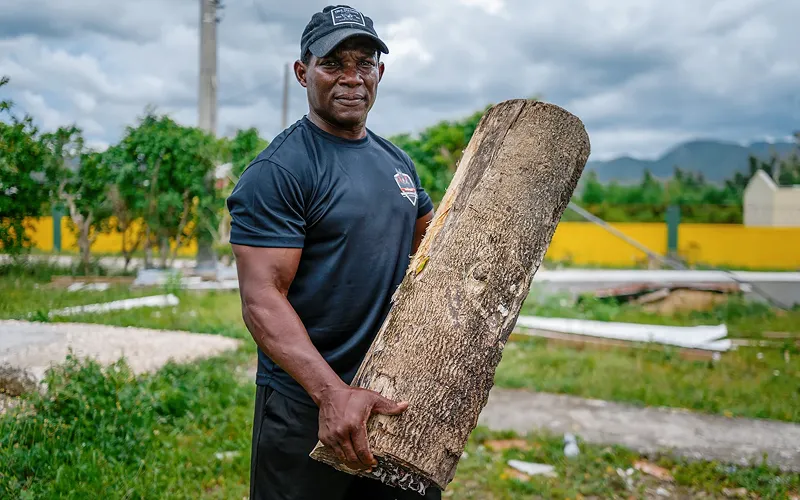
A community member supports debris removal and clean up following Hurricane Melissa, helping clear the way for recovery.
UNDP Jamaica/Anorak Photos
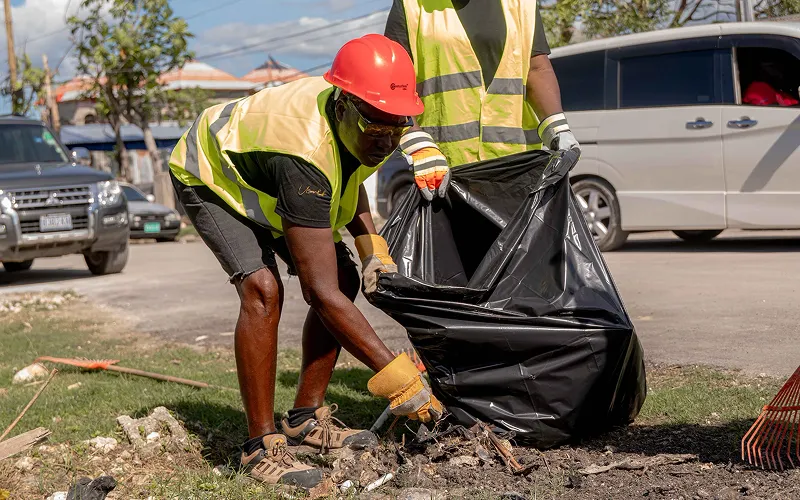
Cooke Street residents clean up after receiving training on the safe handling of debris, recycling and environmental safeguards, building skills for both immediate recovery and future resilience.
UNDP Jamaica/Anorak Photos
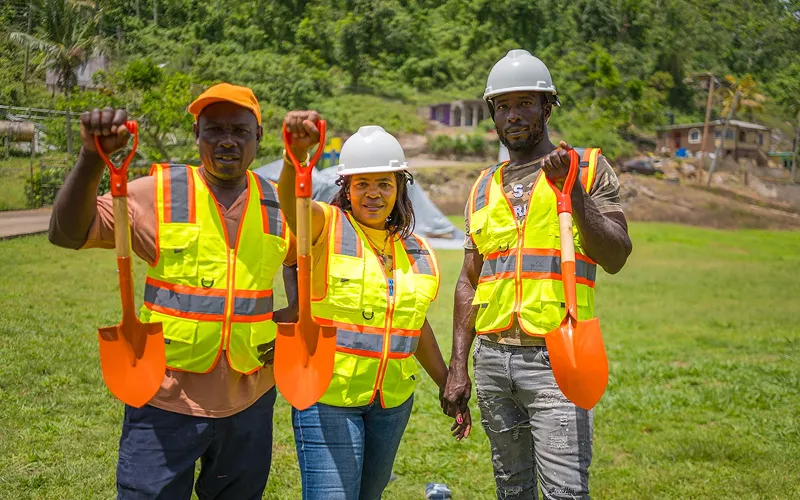
Community members welcome a UNDP site visit in Sawyers, Trelawny as part of early recovery efforts following Hurricane Melissa.
UNDP Jamaica/Anorak Photos
After the storm, UNDP teams conducted field assessments alongside government and other partners, checked on community members, and supported the government by estimating the amount of debris that would have to be removed and which areas were most in need. To do this, UNDP’s RAPIDA assessment used AI and satellite data. Until the debris is cleared, communities remain cut off, children kept from school, families stranded from clinics and markets. The Government led the national effort, with UNDP supporting local action in targeted communities where additional support needs were identified. As each road is cleared, daily life inches back.