Biodiversity is not just something we need to protect. It’s something our lives depend on. It is not something that sits apart from or in competition with business and industry. It’s the foundation on which our economies are built.
Almost all global gross domestic product (GDP) depends to some extent on nature and the services it provides—such as pollination. More than half of the economy depends highly or at least moderately on nature.
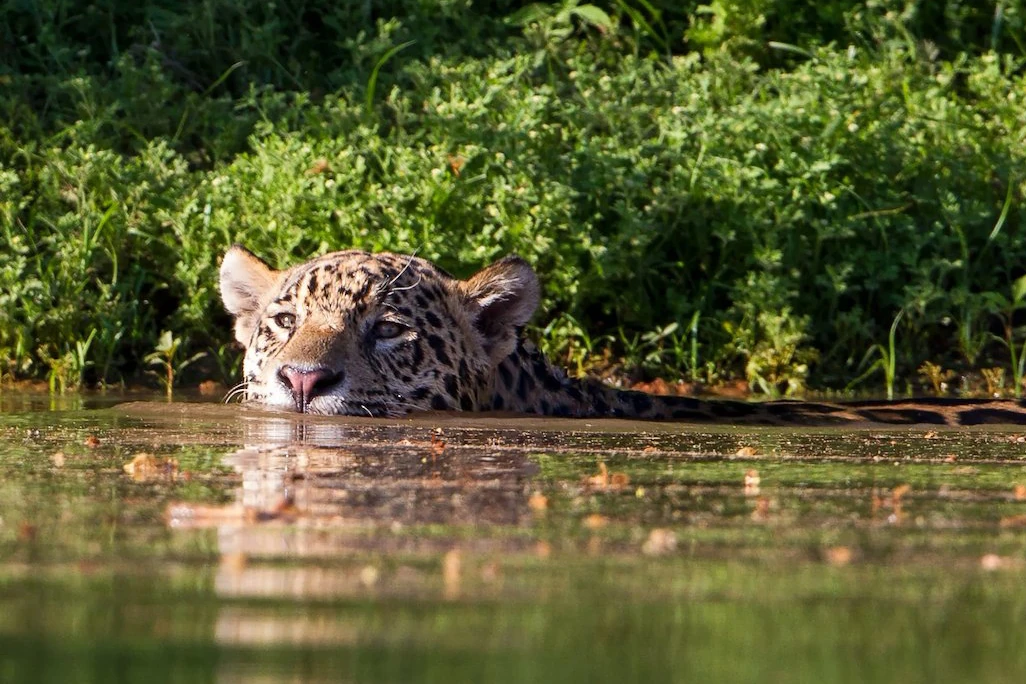
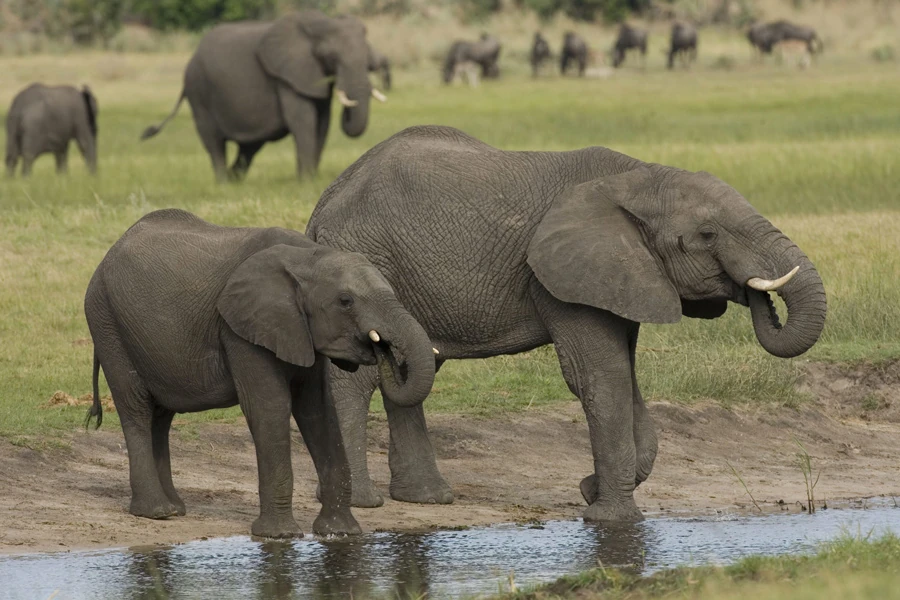
That foundation is under growing strain. More than 1 million species are threatened with extinction, while the average size of monitored wildlife populations has fallen by more than 70 percent over the past 50 years. The consequences are not confined to forests, rivers or oceans. They can mean lower agricultural productivity, greater food insecurity, mounting pressure on water resources and growing risks for communities and businesses that depend on healthy ecosystems.
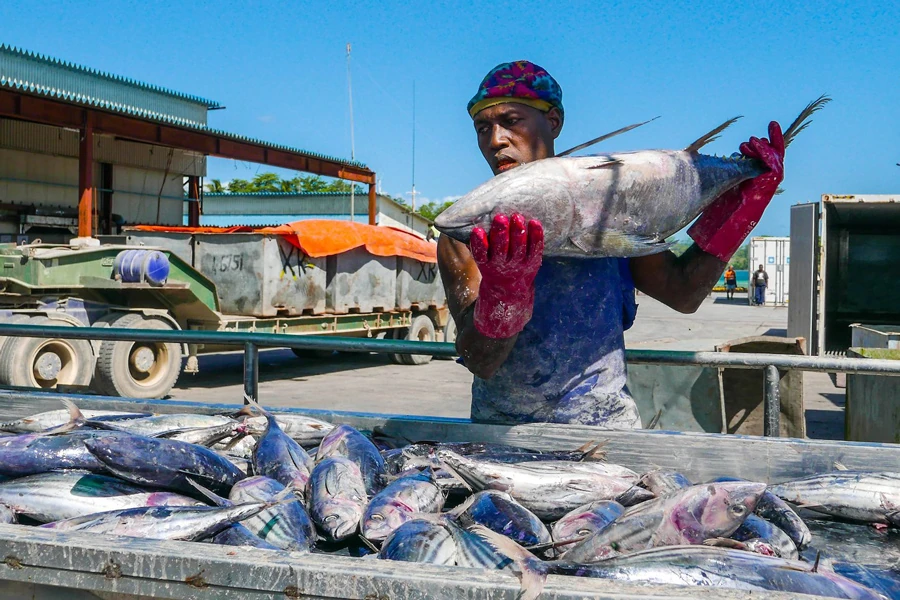
For millions of people, that dependence is very direct. More than 1.6 billion people rely on forests for subsistence, employment or income, while fisheries and aquaculture support more than 600 million livelihoods worldwide.
In 2022, nearly 200 countries adopted the Kunming-Montreal Global Biodiversity Framework, setting 23 ambitious targets for 2030. Among them: effectively conserve at least 30 percent of the world’s terrestrial and inland water areas and 30 percent of marine and coastal areas, and reduce or reform subsidies and other incentives harmful to biodiversity by at least US$500 billion a year.
The UN Biodiversity Conference, COP17, taking place in Yerevan, Armenia from 19 to 30 October, offers a crucial opportunity to take stock of what has happened since those commitments were made. For the first time, countries are conducting a global review of progress in implementing the Framework.
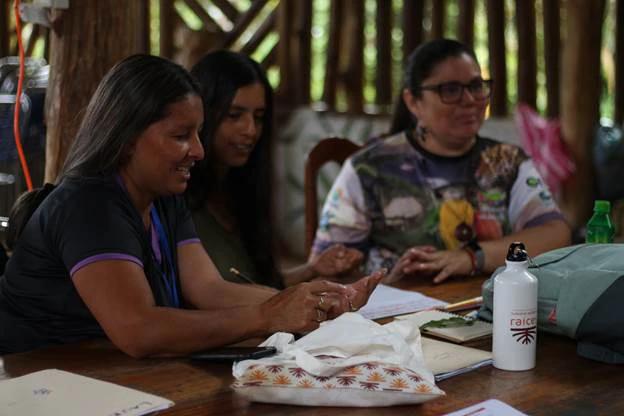
The discussions range from biodiversity finance and support for implementation to ecosystem restoration, protected areas, monitoring progress and fair sharing of benefits from genetic resources. The conference also advances the role of Indigenous Peoples and local communities, encourages countries to integrate biodiversity across sectors and strengthens the links between biodiversity, climate and sustainable development.
At the heart of the negotiations is a practical question: how do international commitments translate into decisions that change what happens on the ground?
Finance is a big part of the answer. The Framework calls for at least $200 billion a year to be mobilized for biodiversity by 2030. Meeting that goal requires a mix of international finance, domestic resources and private capital, as well as national plans that identify where money is needed and how it can be mobilized.
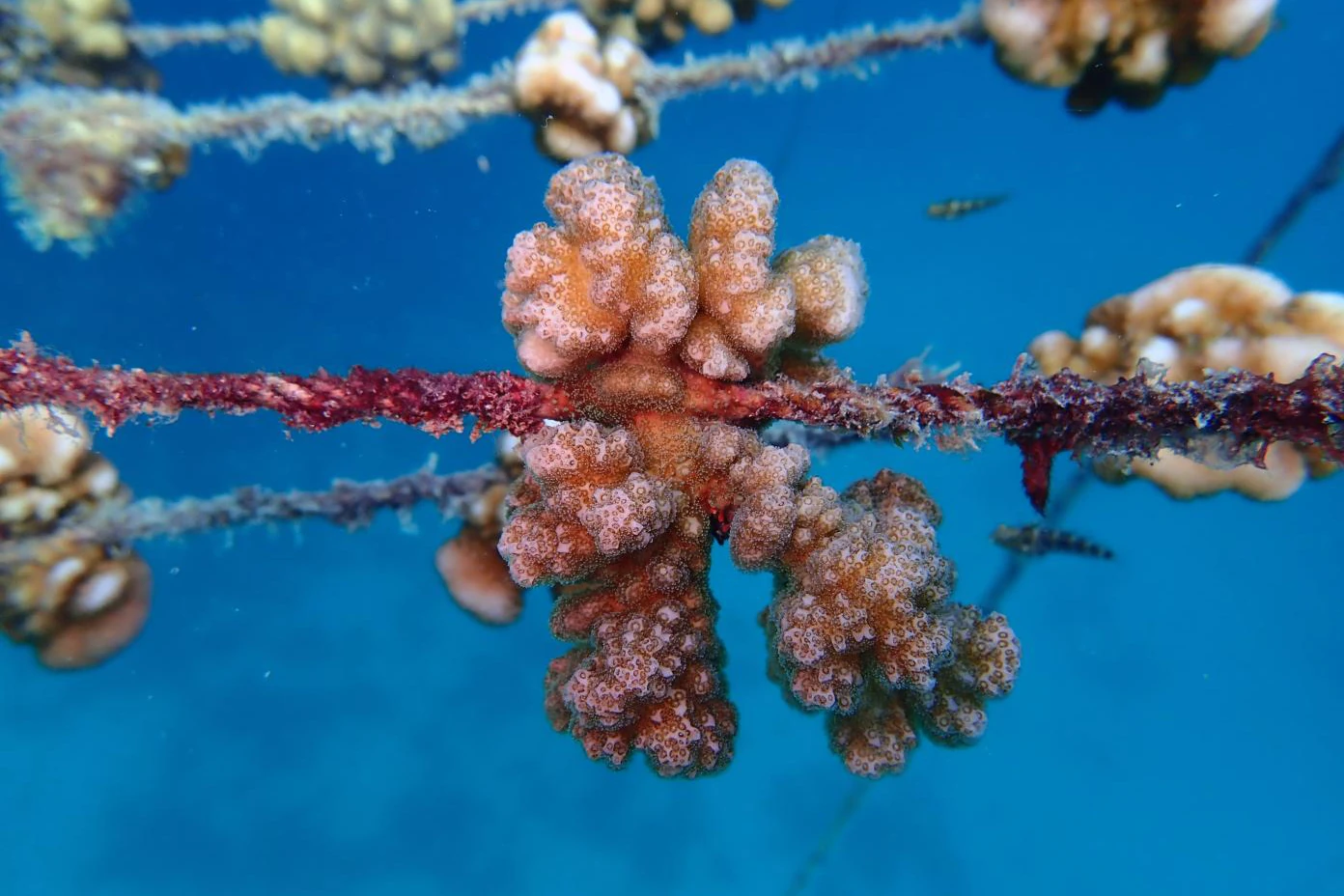
Some countries are already testing what that looks like. In Morocco, a $350 million investment in the blue economy supports the restoration of marine and coastal ecosystems and the sustainable recovery of fisheries. In Thailand, a visitor fee of less than $1 on Koh Tao island generates funding for marine ecosystem protection.
These examples are part of a larger awakening: nature can be part of our strategies for economic growth, jobs and resilience, rather than something to protect only after economic decisions are made.
The potential is significant. An analysis by IPBES estimates that shifting towards an economy that helps restore nature could create $10 trillion in business opportunities and support up to 395 million jobs by 2030.
UNDP helps countries bring this thinking into the economic decisions that shape development. Through the Nature Pledge, UNDP supports the largest biodiversity and nature portfolio in the UN system, helping countries turn the Global Biodiversity Framework into concrete action, including through their National Biodiversity Strategies and Action Plans (NBSAPs). In 2025, UNDP supported projects in 145 countries, mobilizing $3.9 billion and $14 billion in co-financing. Through BIOFIN, UNDP also helps countries access biodiversity financing, reform harmful incentives and identify new ways to finance their ambitions.
The goal is to bring nature into the decisions that determine how economies function: from public budgets and financial systems to agriculture, tourism, natural resource management and development planning.
That is one of the challenges facing countries at COP17. Turning commitments into action requires countries to measure progress, identify where gaps remain and decide where resources can have the greatest impact.
Investing in biodiversity is not only about protecting the planet. It’s about protecting the people whose lives and livelihoods depend on it, and building economies that are more resilient to the challenges ahead.