



Progress and setbacks

Global multidimensional poverty rises for the first time since index launch in 2010

While the world has had enormous success in reducing poverty in recent years, new findings from UNDP and the Oxford Poverty and Human Development Initiative show that progress cannot be taken for granted.

The 2026 Multidimensional Poverty Index (MPI) reveals that the number of people living in multidimensional poverty has increased for the first time since the index was launched in 2010.

At the same time, many countries continue to make progress against poverty, indicating that eliminating poverty in all its forms—the first Sustainable Development Goal—is possible.

Redefining poverty

Poverty is not just about lack of money. Sixteen years ago, the MPI ushered in a new approach to analysing poverty, looking beyond income to reveal how the many hardships of being poor feed on one another, creating a more nuanced picture.

It considers people to be multidimensionally poor if they are deprived in a third or more of the MPI’s 10 indicators in health, education and standard of living. It covers 108 countries and 78 percent of the world’s population.

An entire family is considered deprived if no member has completed six years of schooling, or if a child is stunted, or the family lacks electricity or is forced to collect water from long distances.

The 2026 MPI uses the most recent survey data available for 108 countries and shows who multidimensionally poor people are, where they live and which deprivations are holding them back from the life they deserve.

The big picture in 2026

Out of 6.3 billion people covered in the 2026 MPI report, nearly 1.2 billion are living in acute poverty. This figure represents an increase in global multidimensional poverty compared to the 2025 report, which revealed 1.15 billion poor. At the same time, nearly 952 million people are vulnerable to poverty.

How the MPI is calculated

The 2026 Global Multidimensional Poverty Index (MPI) measures acute poverty in 108 countries. It looks at three dimensions of people’s lives—health, education and living standards—through 10 indicators. Each dimension counts for one third of the index.

Health

  • Nutrition 1/6
  • Child mortality 1/6

Education

  • Years of schooling 1/6
  • School attendance 1/6

Living standards

  • Cooking fuel 1/18
  • Sanitation 1/18
  • Drinking water 1/18
  • Electricity 1/18
  • Housing 1/18
  • Assets 1/18

Who counts as poor?

Each person gets a profile detailing the deprivations their household experiences. Anyone deprived in one third or more of the weighted indicators is multidimensionally poor.

  • Not poor: under 20%
  • Vulnerable to poverty: 20–33.3%
  • Multidimensionally poor: 33.3% or more
  • In severe poverty: 50% or more

Health indicators

1/3 of the index · 2 indicators

  • Nutrition

    Weight 1/6

    Deprived if

    Any adult or child in the household is undernourished

  • Child mortality

    Weight 1/6

    Deprived if

    Any child has died in the family in the past five years

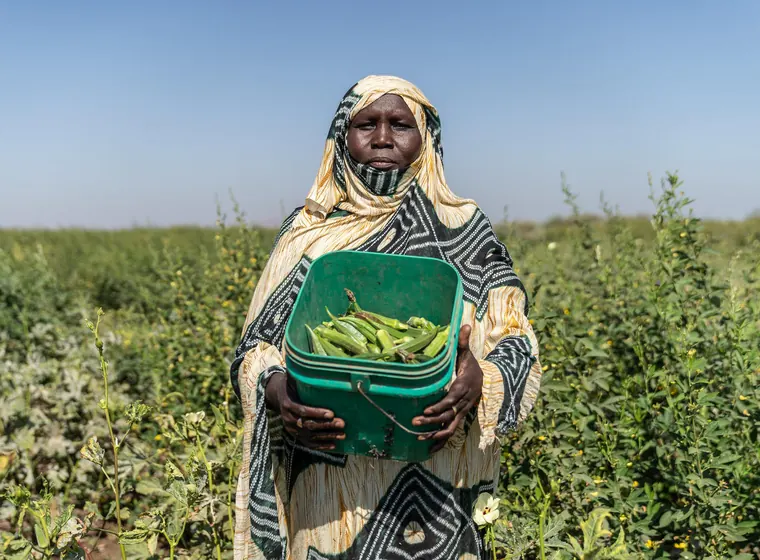
A woman stands in a field of okra plants, holding a green bucket filled with freshly picked okra.

737 million poor people live in a household with at least one undernourished person.

In Sudan, where war is fuelling the world’s largest food crisis, UNDP works to make sure local food production, markets and trade systems can recover enough to provide nutrition and incomes to people around the country.

Read full story

Education indicators

1/3 of the index · 2 indicators

  • Years of schooling

    Weight 1/6

    Deprived if

    No household member aged 10 or older has completed six years of schooling

  • School attendance

    Weight 1/6

    Deprived if

    Any school-aged child is out of school up to the age of primary school completion

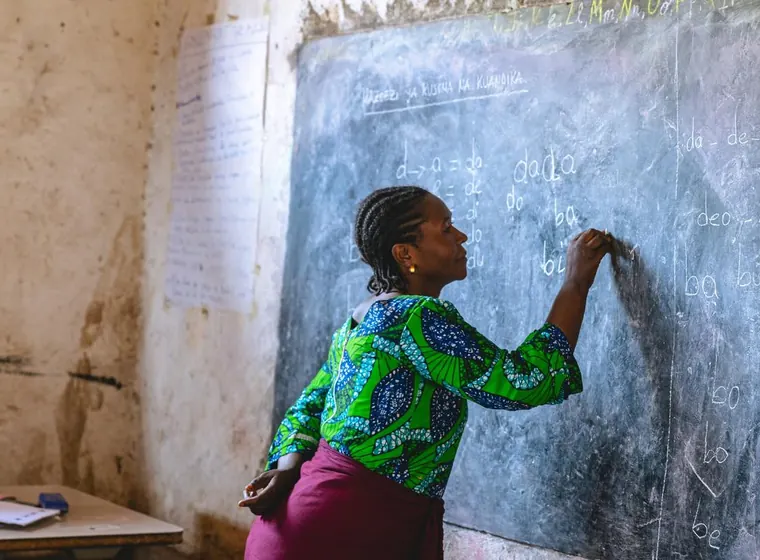
A teacher writes on a chalkboard at the front of a classroom.

583 million poor people live in a household where no one had completed six years of schooling, including 277 million in sub-Saharan Africa.

Three different contexts. One common starting point: a few words, a few numbers and everything they make possible.

Read full story

Standard of living indicators

1/3 of the index · 6 indicators

  • Cooking fuel

    Weight 1/18

    Deprived if

    The household cooks with dung, wood, charcoal or coal

  • Sanitation

    Weight 1/18

    Deprived if

    The household’s sanitation facility is unimproved or shared

  • Drinking water

    Weight 1/18

    Deprived if

    The household does not have access to safe drinking water, or it is too far

  • Electricity

    Weight 1/18

    Deprived if

    The household lacks access to electricity

  • Housing

    Weight 1/18

    Deprived if

    The household lacks durable roof, floor or wall materials

  • Assets

    Weight 1/18

    Deprived if

    The household does not own a car or truck and owns no more than one key small asset (such as a radio, TV, phone, computer, bicycle or refrigerator)

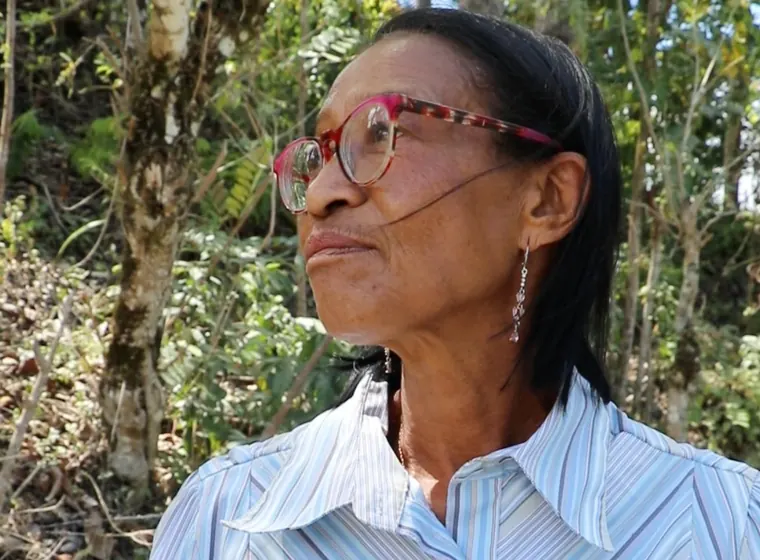
A woman wearing glasses and earrings looks into the distance, with trees behind her.

545 million poor people live in a household that lacks drinking water within 30 minutes walking distance from home.

Nazarena Rodríguez recalls the first day she turned on a faucet and saw water coming out.

“I was so happy. I didn’t even know what to do!”

Read full story
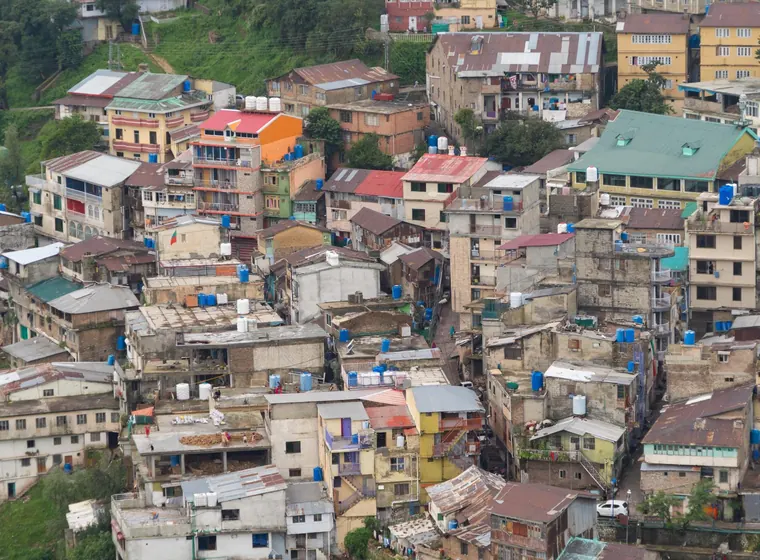
Densely packed, multi-storey houses cover a hillside, many with blue water tanks on their roofs.

Around the world, nearly 3 billion people lack adequate housing.

Housing at the core of human development: UNDP works with national and local governments across the world to address the root causes of the global housing crisis.

Read full story

Rising numbers of people in poverty

In 2026, the total number of people living in multidimensional poverty has risen by 51.5 million among 108 countries, compared to the figures in the 2025 report.

In 95 countries with no new data, updated population estimates increased the number of people counted as poor by 15.8 million, holding poverty rates as constant.

The remainder of the increase comes from the 13 countries with new surveys. This change reflects both the genuine change in poverty incidence coupled with demographic changes and differences in indicator coverage across survey rounds.

“The rise in poverty should be a wake-up call for the world. Behind these figures are 1.2 billion people facing hardships that reinforce one another: hunger, missed schooling and a lack of clean water or electricity. This is unacceptable. But it does not have to be this way. We know progress is possible. Countries that have tackled these challenges together, rather than in isolation, have shown what determined action can achieve.”

—Alexander De Croo, UNDP Administrator

1.2 billion people live in multidimensional poverty

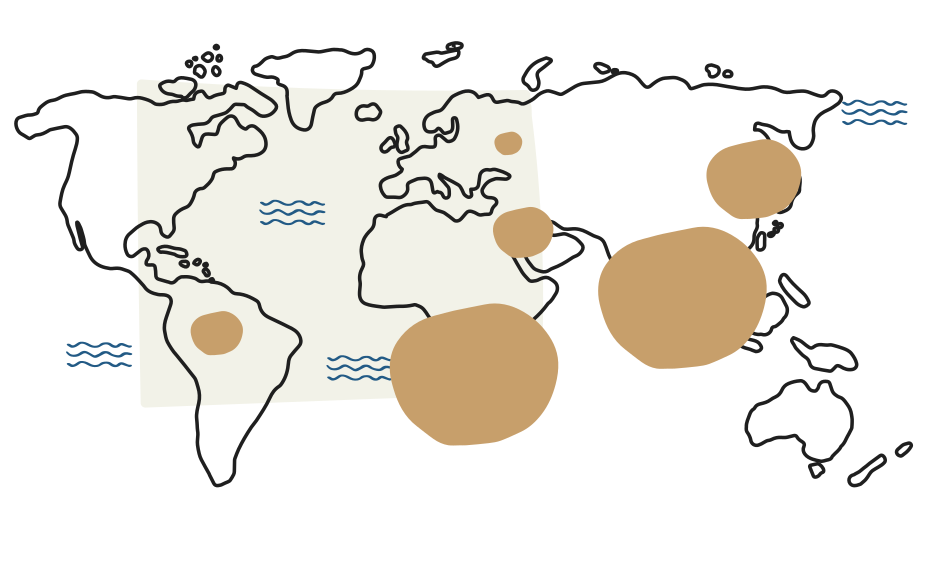
Where are they?

  • Latin America and the Caribbean 33 million
  • Sub-Saharan Africa 616 million
  • Arab States 51 million
  • Europe and Central Asia 1.2 million
  • East Asia and the Pacific 104 million
  • South Asia 393 million

In addition to the geographic distribution, the report reveals a significant difference between urban and rural areas as well as according to age. Some 83 percent of the multidimensionally poor are rural.

Urban vs Rural

17% of multidimensionally poor live in urban areas

17%
83%

83% of multidimensionally poor live in rural areas

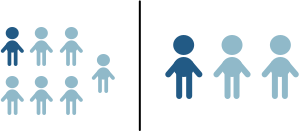
Approximately half of those living in multidimensional poverty are under 18 years old. That’s nearly one in three children, compared to one in seven adults.

Adults vs children

About 1 in 7 adults is multidimensionally poor

About 1 in 3 children is multidimensionally poor

A mixed picture

Updated MPI estimates confirm a mixed picture and highlight the effects that population growth has on poverty rates.

In Egypt, Nepal and Tajikistan, both the poverty rate and the number of people living in multidimensional poverty fell significantly. In Angola and Zambia, the share of people in poverty declined, but these gains were outpaced by population growth, so the total number of poor people still increased.

Significant progress against poverty in Nigeria during the 2010s was reversed in the 2020s, with both the poverty rate and the number of people living in poverty increasing.

The heart of the Sustainable Development Goals

Sustainable Development Goal target 1.2 calls for countries to reduce by at least half the proportion of adults and children living in poverty, in all its dimensions, by 2030.

This goal is challenging but achievable—and real progress has been made.

Among the 89 countries with harmonized MPI data, 33 have halved their MPI value in fewer than 15 years, including six countries in sub-Saharan Africa. Over 15 years, Eswatini saw the multidimensional poverty rate fall from 38.7 percent to 8.0 percent.

33 of 89

countries with MPI data halved their MPI value in fewer than 15 years, including six in sub-Saharan Africa.

  • Halved: sub-Saharan Africa (6)
  • Halved: other regions (27)
  • Not yet halved (56)

China halved its MPI value in just four years, with the rate of people living in multidimensional poverty falling from 9.5 percent to 4.2 percent between 2010 and 2014.

Viet Nam also made rapid progress, halving its MPI value within seven years.

Poverty and progress

UNDP programming is at the forefront of the fight against poverty—in shaping how it is measured and defined and seeking out the most effective ways to tackle it.

The threats brought on by climate change, conflict and food insecurity mean even more work is needed.

The 2026 MPI is a serious warning that progress cannot be taken for granted. But it also shows that through renewed and urgent action the international community can ensure that every person lives a life of dignity and security.

Leaving no one behind means equality of opportunity and access. It means investing in women and girls, youth and the most vulnerable people. It involves mobilizing local action and commitment towards one common goal: a better future for all.