Biodiversity supports every part of human life, from food production and medicines to jobs, recreation and a liveable climate. In the long-run, people cannot thrive on a planet that is in crisis. That’s why UNDP’s core focus is to deliver human development on a healthy planet.
Our Nature Portfolio spans the planet, with more than 350 projects in over 140 countries. We leverage almost US$3.4 billion in grants and $13.4 billion in co-financing for nature-positive action that contributes to the Sustainable Development Goals in areas from governance, human rights and health to climate and inclusive growth.
Across the globe, UNDP partners with donors, governments, communities and people working on the ground to address critical challenges related to our environment. We champion changemakers and scale up solutions that work for people and planet.

Natural
healing
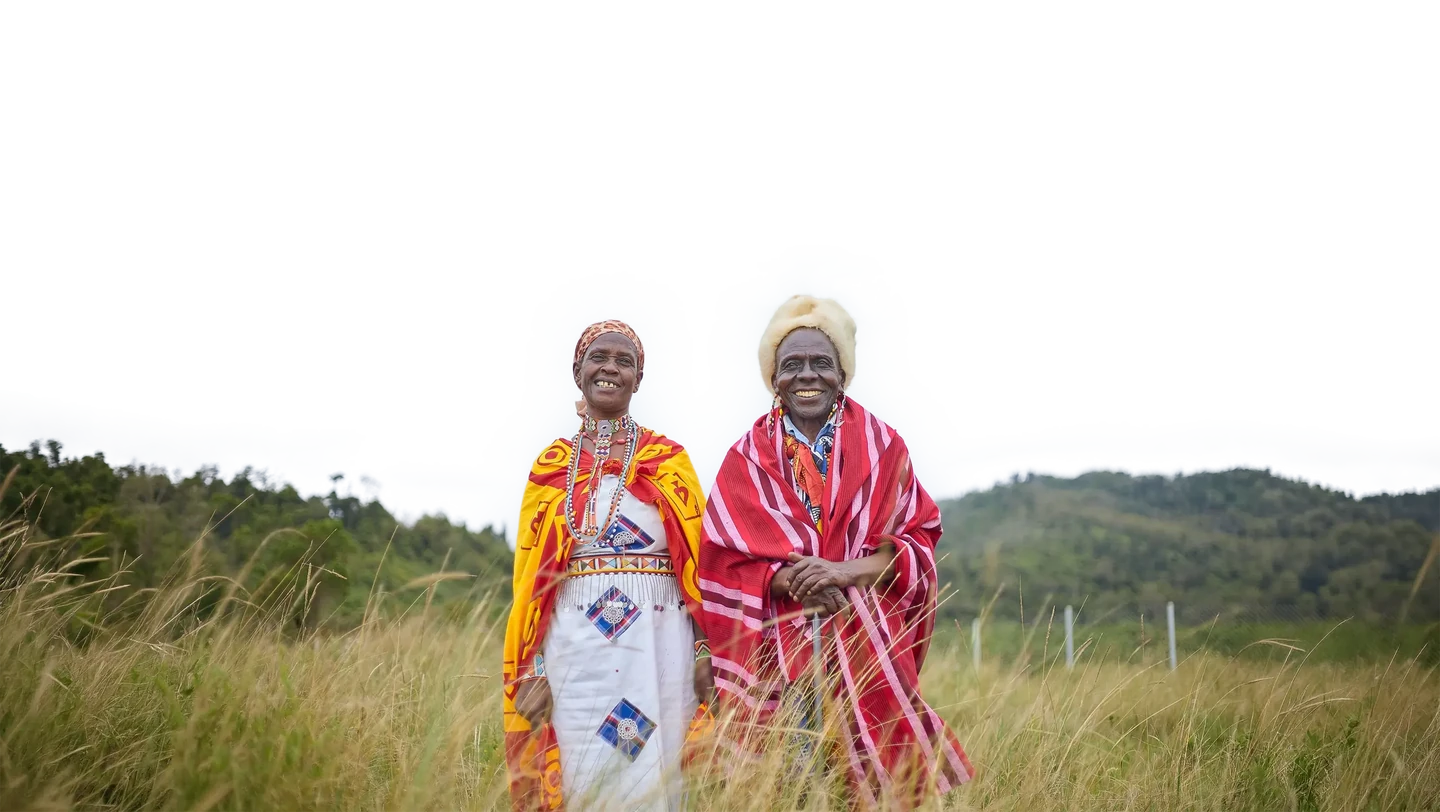
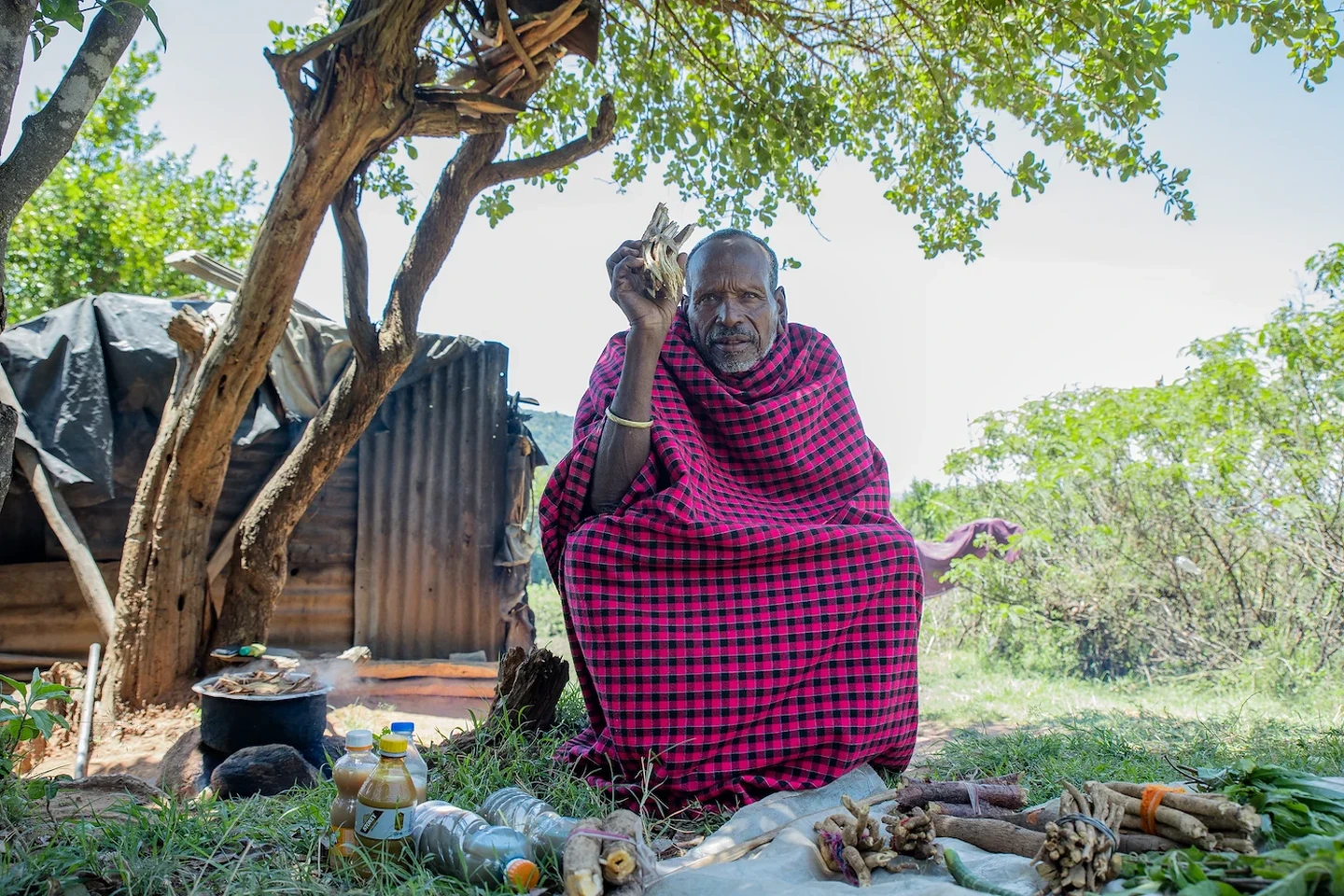
For the Ogiek herbalists in the Mau forest of Kenya, promoting biodiversity means maintaining access to the endemic wildlife that underpin traditional methods of healing.
“Everyone was given a role on what to do to heal people. There are those who attend to expectant mothers and combine with infant care. Other herbalists treat bodily infections, stomach, bones and skin diseases.” —Roda Saaya, Ogiek Healer
Traditional medicine is an integral part of health care for Indigenous Peoples and local communities in parts of Kenya and around the world. For centuries, ancestral knowledge and lifeways around traditional medicine have been passed down from generation to generation.
Interest is growing in commercializing these practices. But the lack of formal recognition and respect for traditional medicine and the knowledge holders can lead to biopiracy of resources and ecological degradation from overexploitation.
Indigenous Peoples are central to safeguarding biodiversity. They live on and manage roughly 22 percent of the world’s land, territories that overlap with many of the planet’s most biodiverse and ecologically intact areas. Funded by Germany, Norway and other partners, UNDP’s Equator Initiative recognizes and supports Indigenous and local communities working to protect nature, culture, livelihoods and human rights.

Fact
The World Health Organization estimates that more than 50 percent of modern medicines come from nature.

Coral
promise


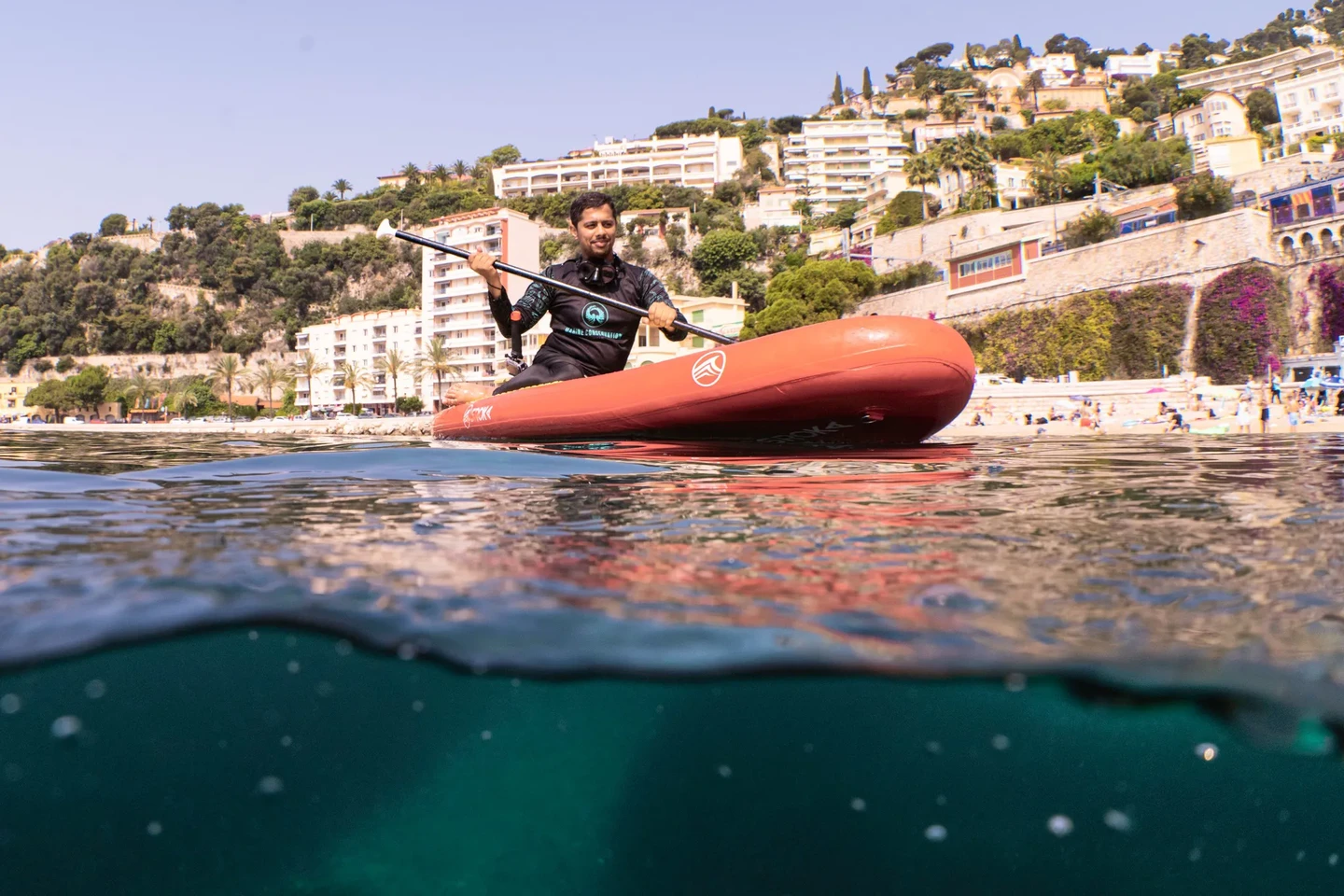
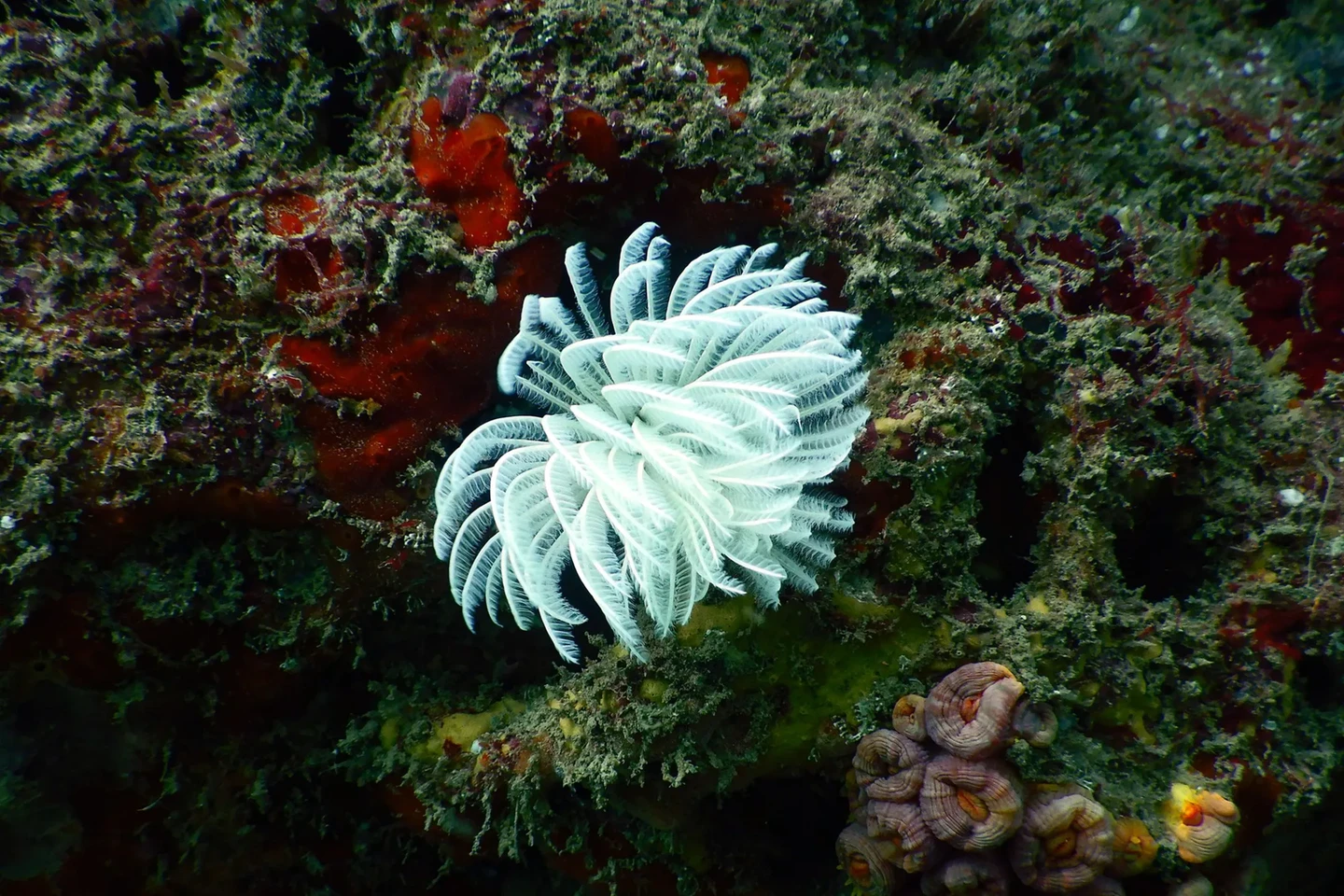
In Pakistan a young man is on a mission to protect precious coral reefs using methods inspired by nature’s own design.
“Innovation doesn't always require high-tech tools; often, it's about working with nature.” —Shabib Asghar, Dive Master
For Mr. Asghar, diving is more than a livelihood; it’s a lifelong commitment to ocean protection. In 2025, he and his team at Marine Conservation Pakistan launched the Reef Revival Initiative, with support from the UNDP Rome Centre through the Youth4Climate programme co-led by the Government of Italy.
Mr. Asghar’s approach avoids artificial structures, relying instead on organic coral propagation, grounded in a simple philosophy: working in harmony with nature. The team meticulously rescues broken coral fragments, reattaches them to natural ocean rocks using an organic catalyst, and cultivates underwater nurseries that mirror the ocean's own design.
UNDP's commitment to ocean health is embodied in its Ocean Promise, an integral part of the Nature Pledge. This commitment aims to realize the full potential of sustainable, climate-resilient, and inclusive ocean economies in 100 coastal countries, including all Small Island Developing States, by 2030.

Fact
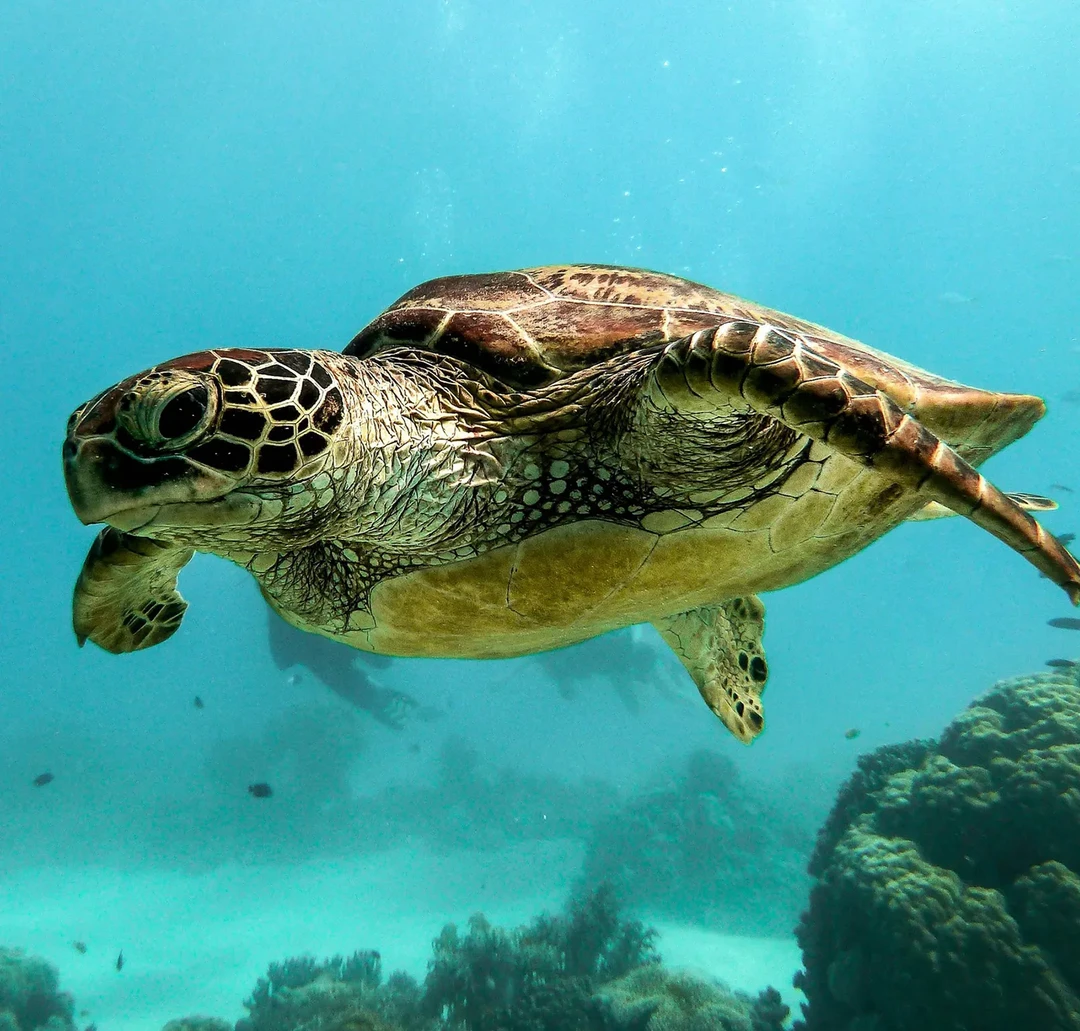
Coral reefs cover only 0.2% of the seafloor. Yet they support at least 25% of marine species.
A
watchful eye
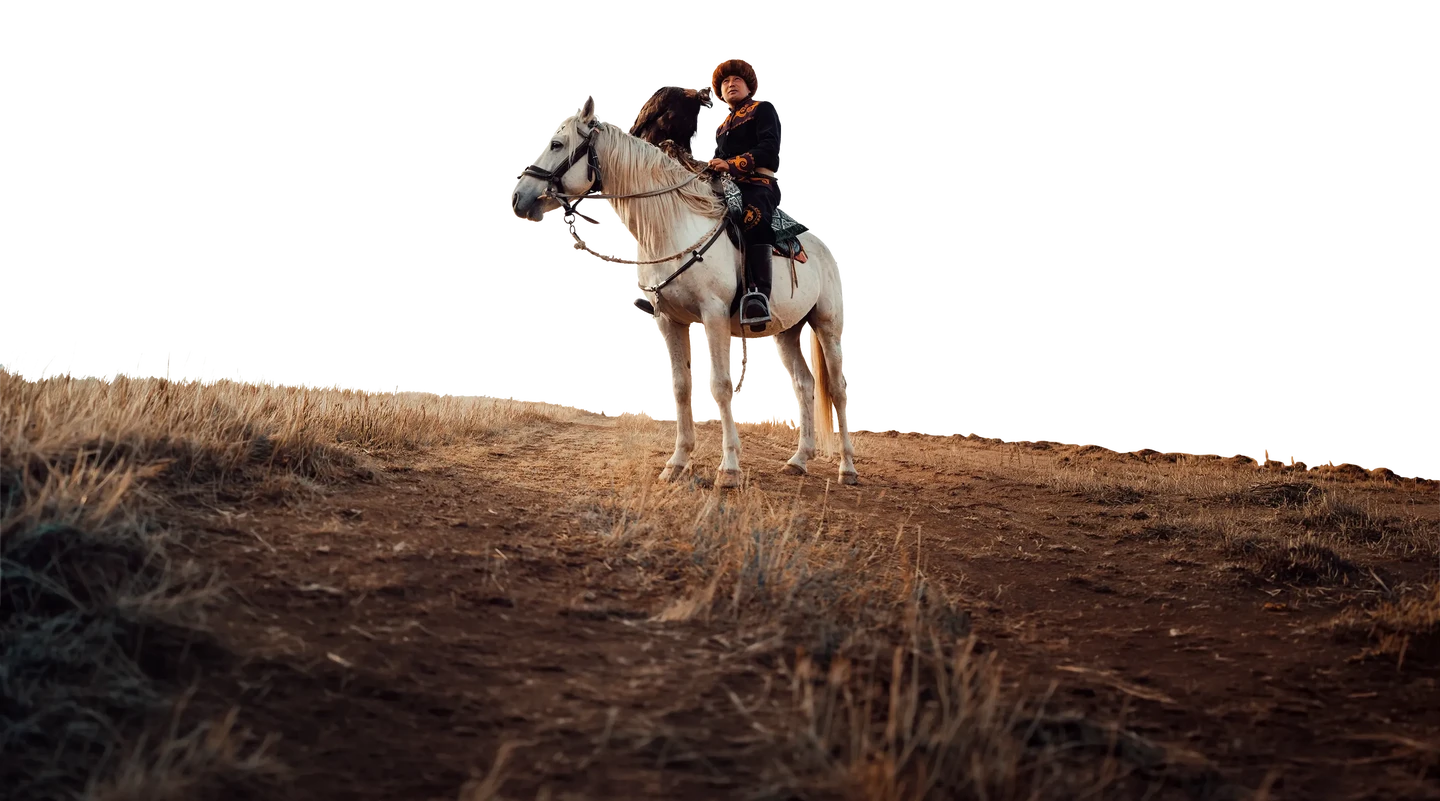
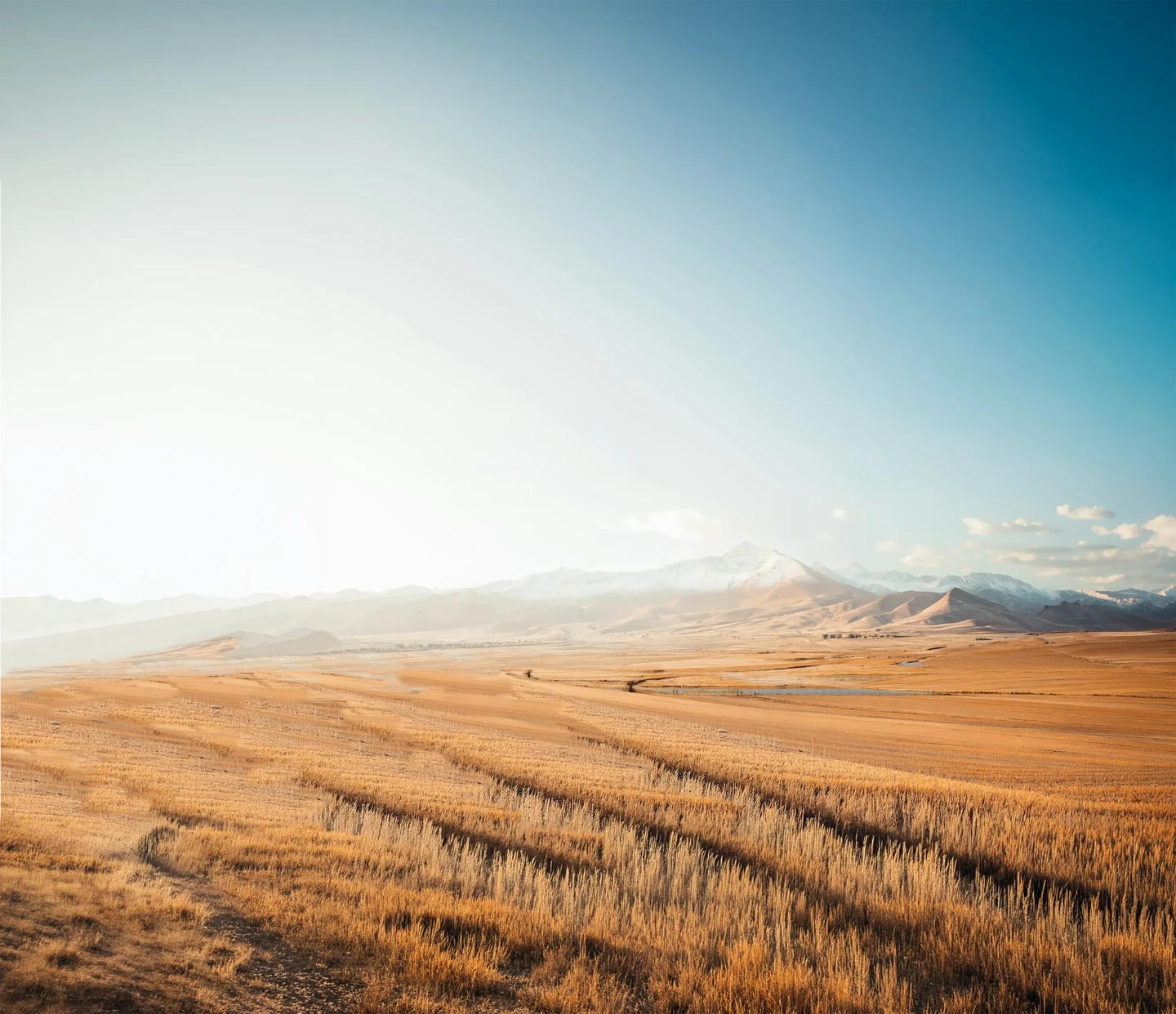
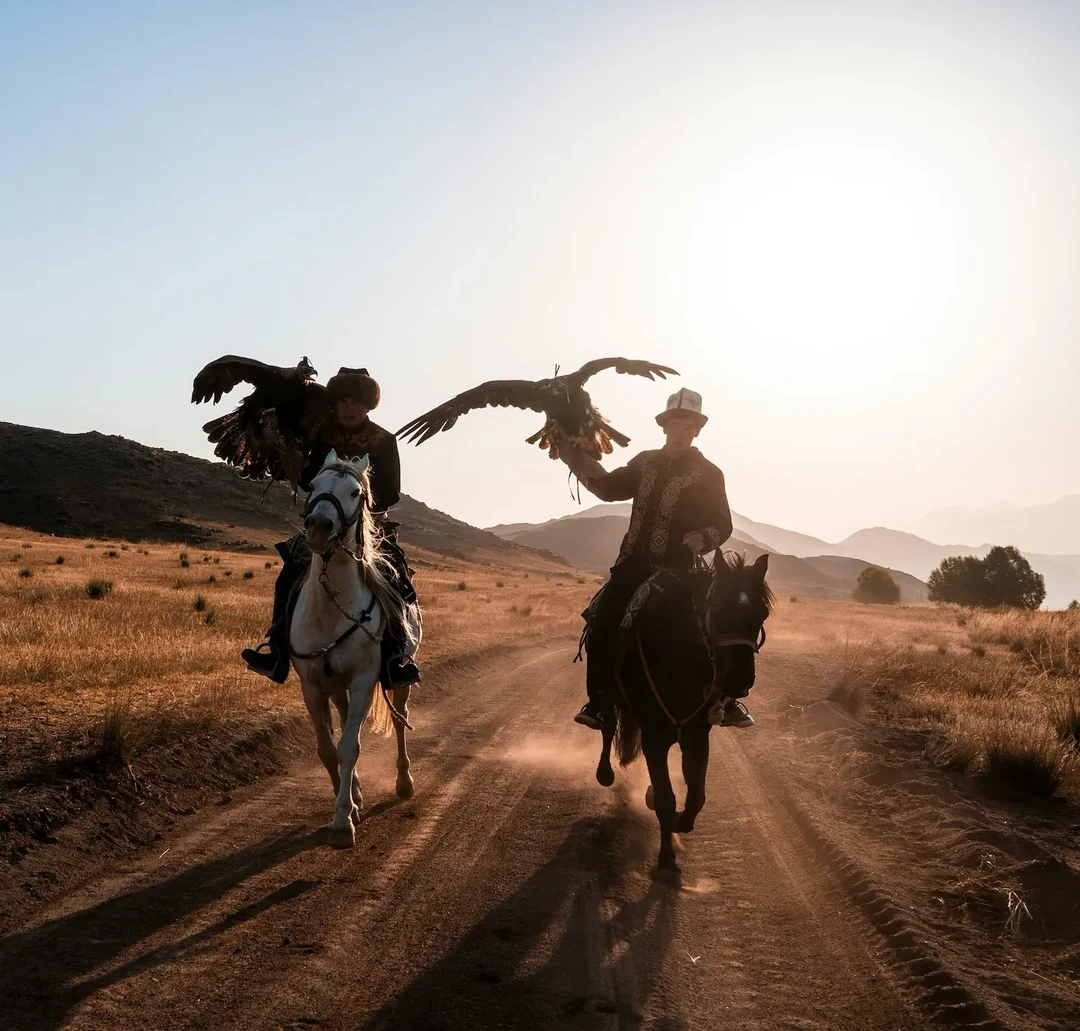
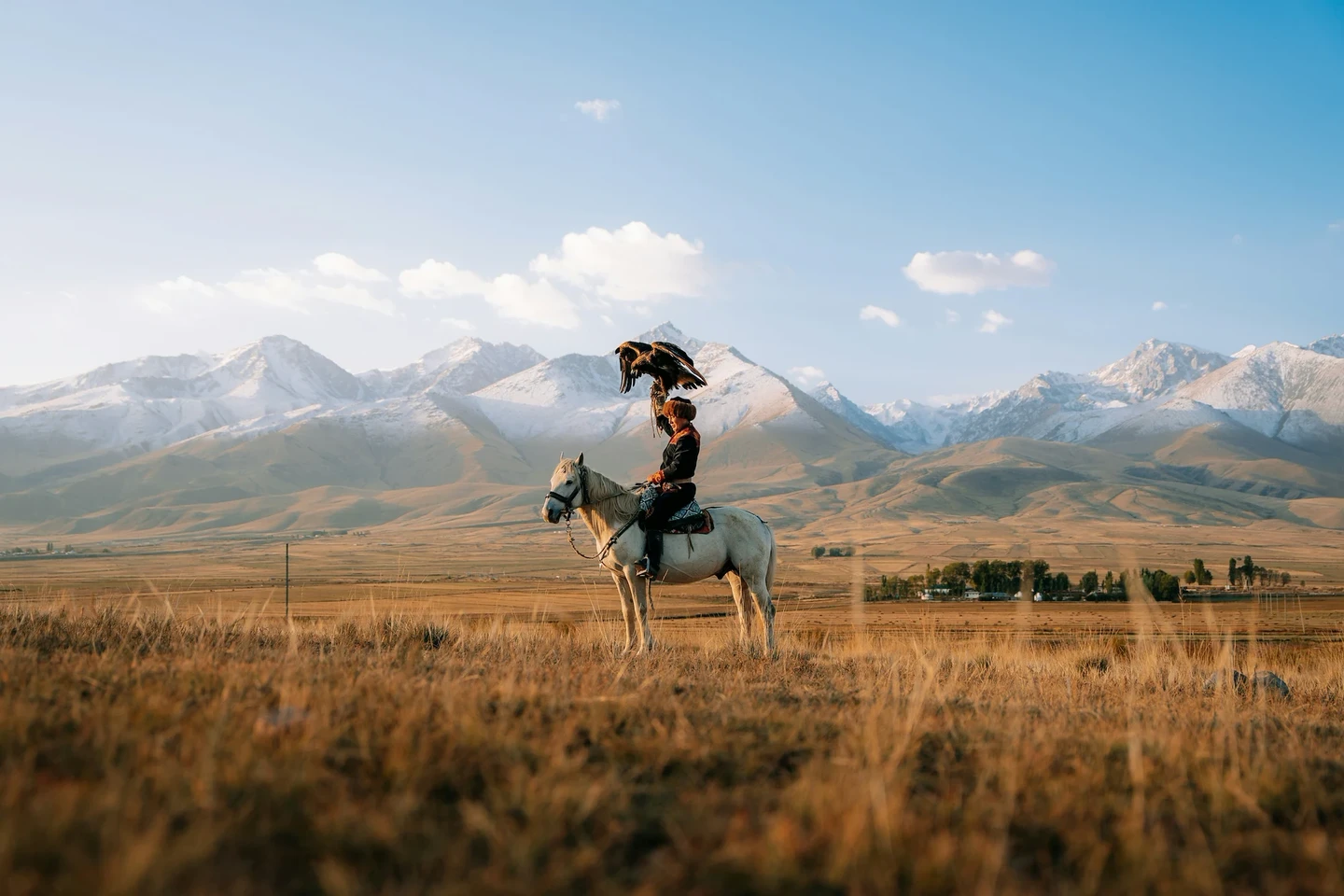
In Kazakhstan, a falconer and farmer is fighting for his ancient cultural heritage and the preservation of the rich natural resources of Kazakh pasturelands.
“We can't wait for someone else to save our land. It all starts with one person and with one spring; we protect them with our own hands. As long as the spring water flows, our steppe lives.” —Tleukabyl Yessembekuly, Farmer and Master Falconer
For Mr. Yessembekuly, becoming a master falconer taught him patience and vigilance. He brings these two virtues to bear in another life mission: preserving the land.
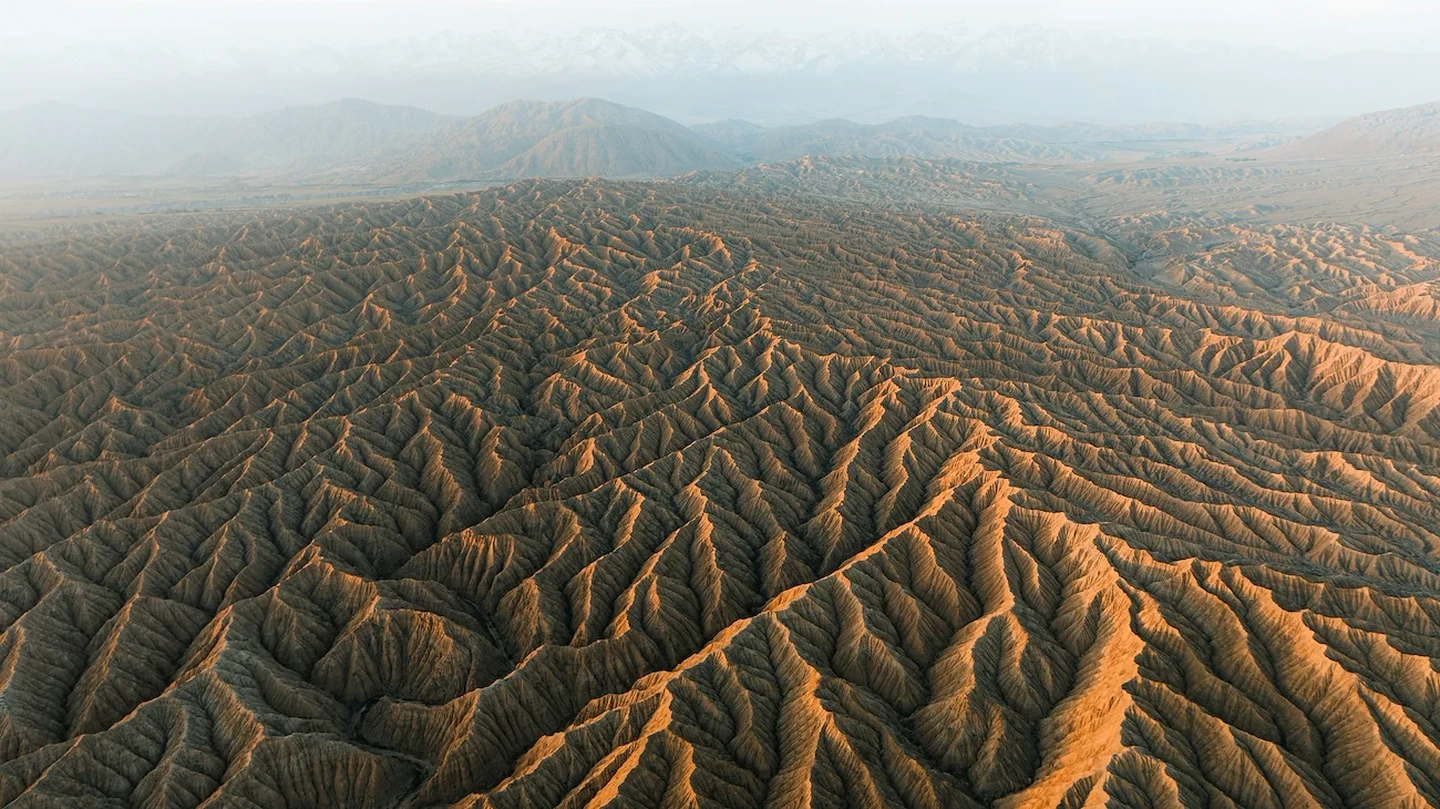
Turning his watchful eye to the ground, Mr. Yessembekuly saw how cooperation could improve the fortunes of his fellow farmers. After seeing them struggle with soil erosion, land degradation, and a lack of water for irrigation and livestock, he developed a project to restore natural springs and plant forage crops. His idea received support through the Global Environment Facility Small Grants Program (GEF SGP), implemented by UNDP.
Over the years, the farmers association that he helped establish has received several grants and loans that helped improve living conditions, increase agricultural productivity, conserve natural resources and prevent land degradation across the Shet district.

Fact
Every dollar invested in restoring degraded lands generates between US$7 and US$30 in economic returns.

Rooted in
peace
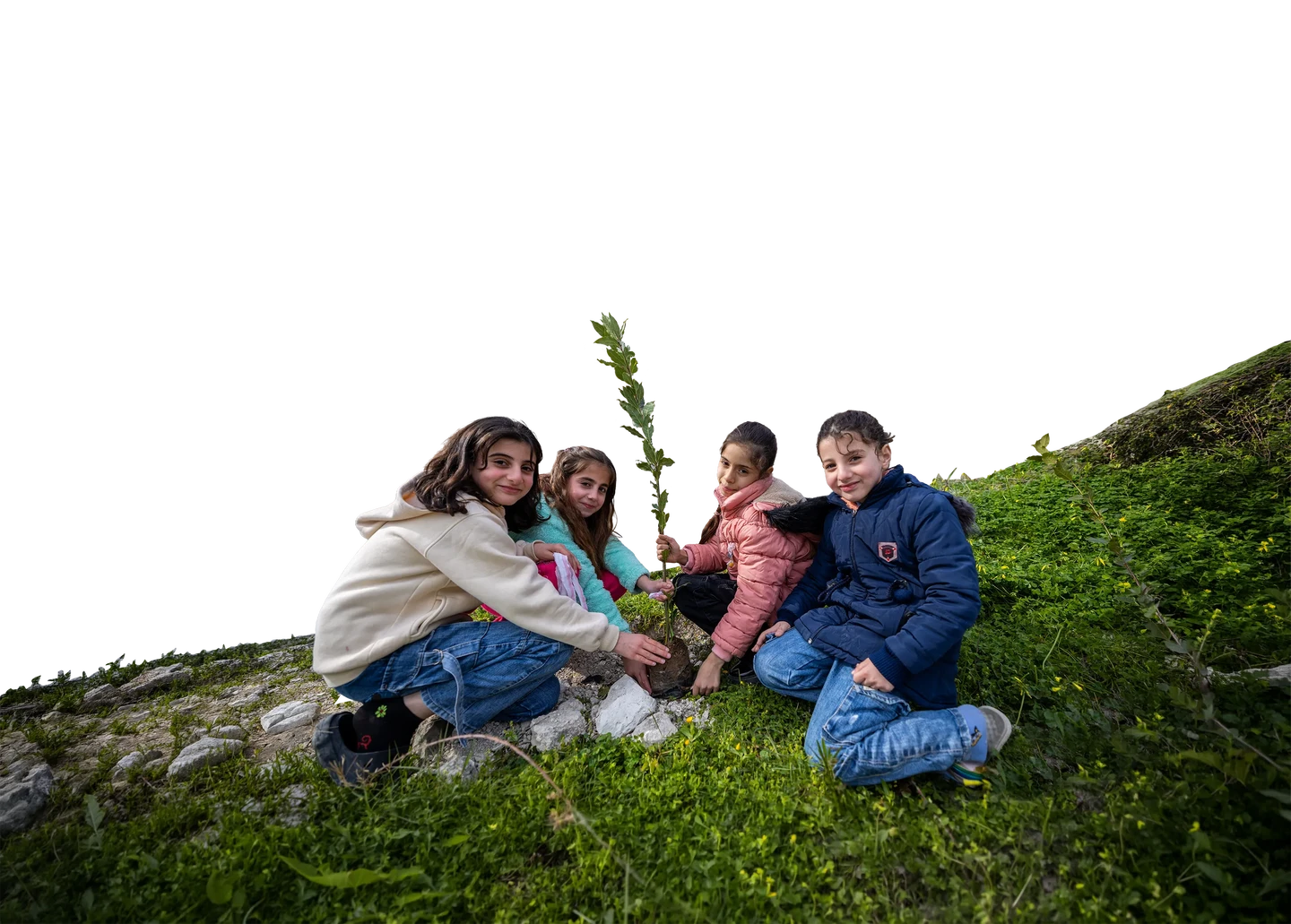
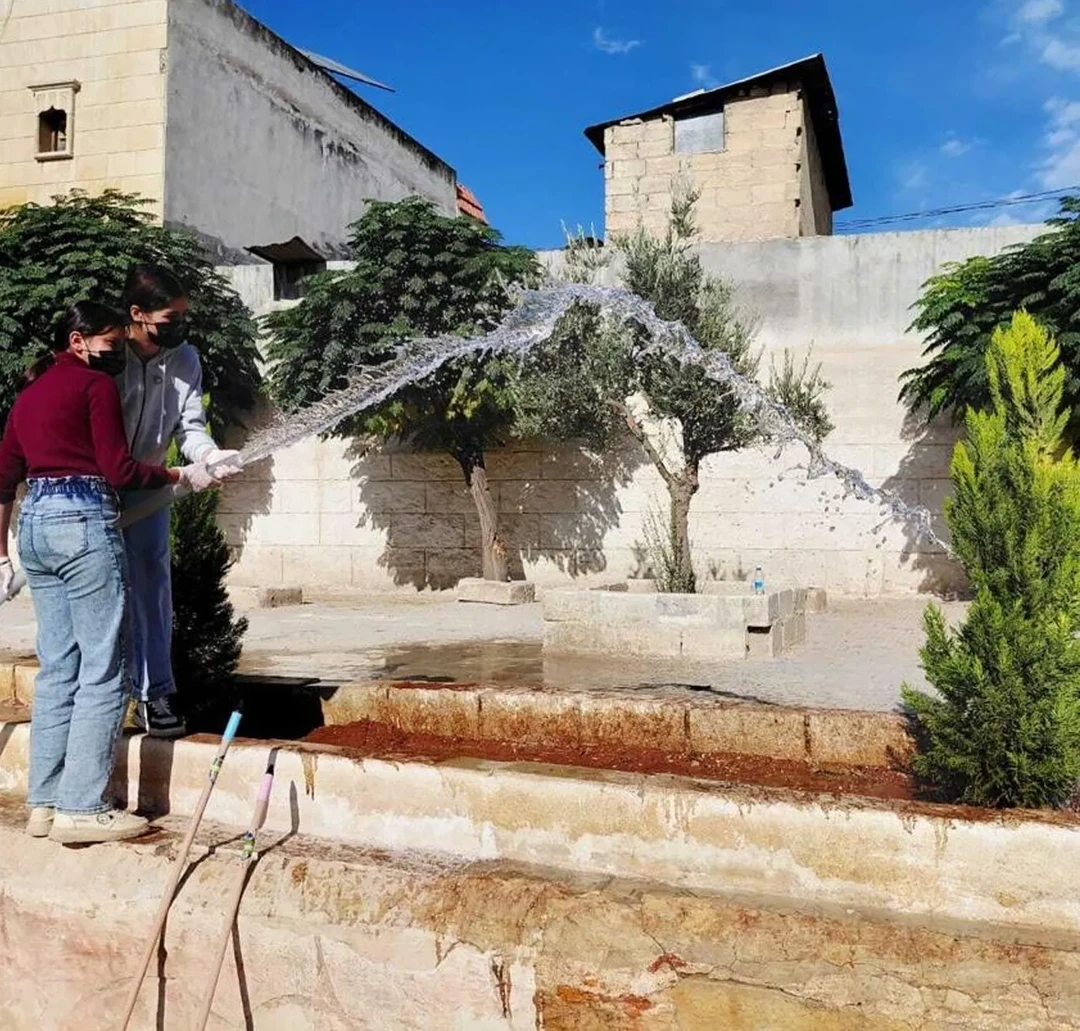
In Syria, women joined forces to launch a reforestation drive, building community while restoring their lands.
“Planting trees gave people something positive to work on together. It helped rebuild connections.” —Ghaitha’a Mohammad, Farmer
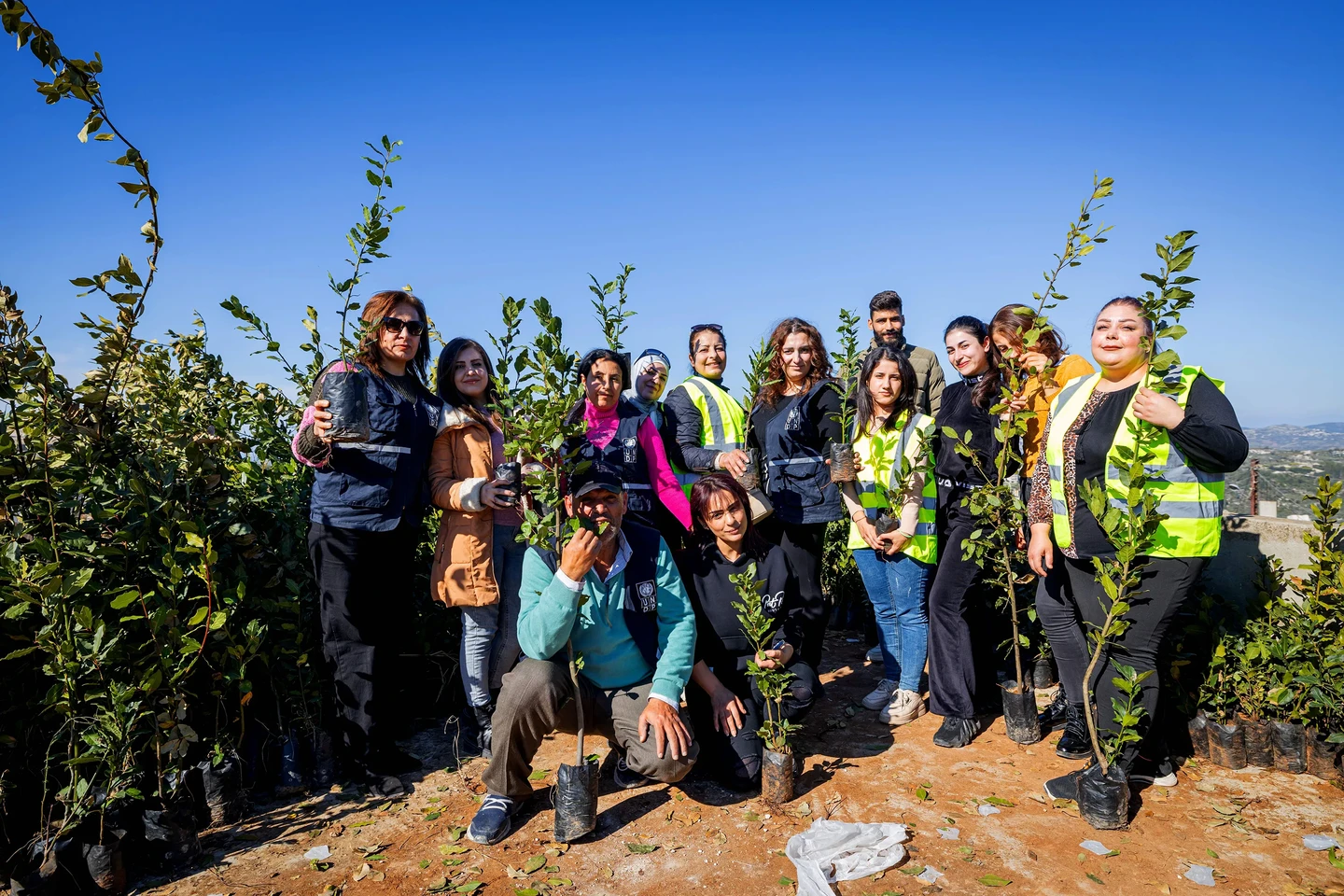
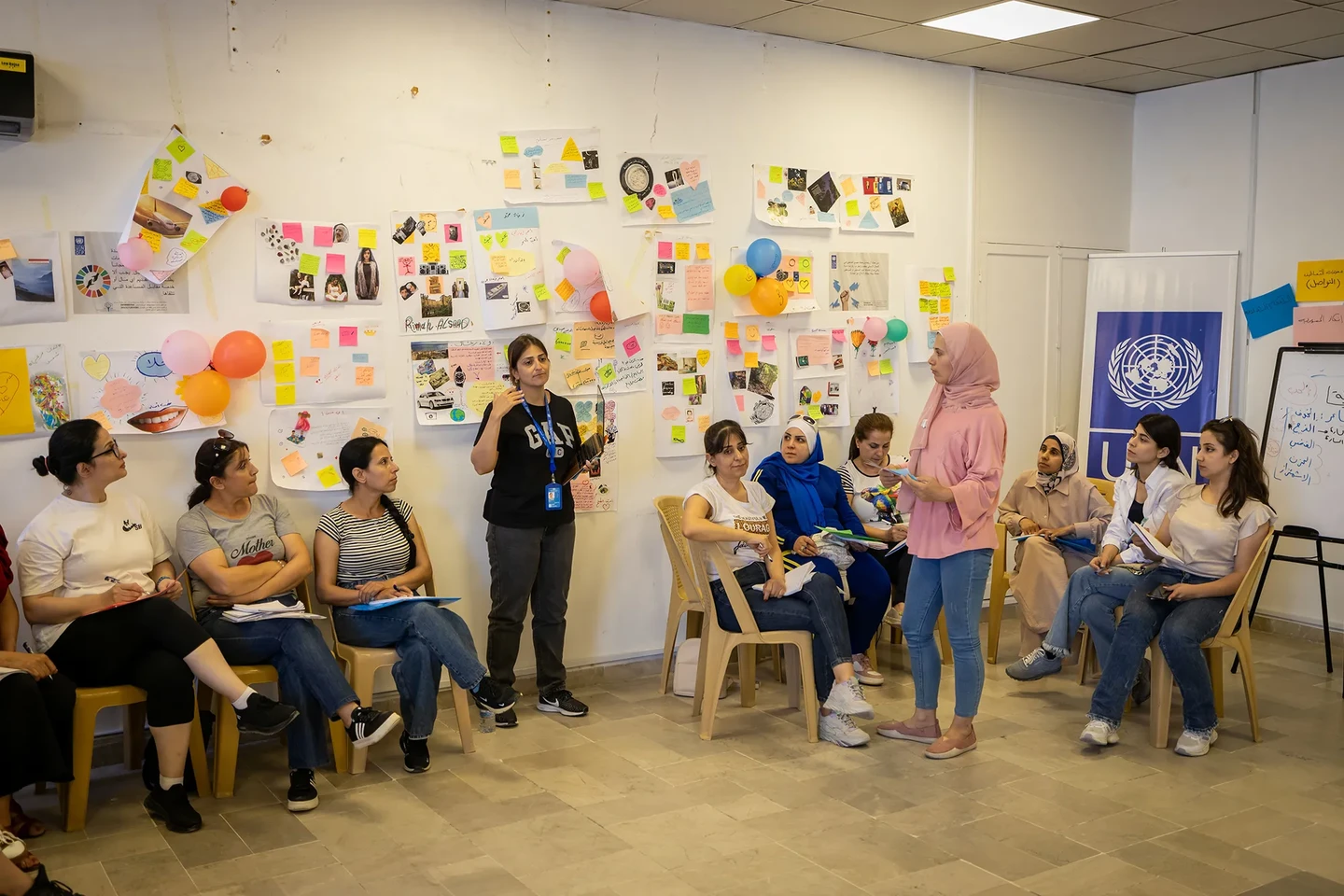
After more than a decade of displacement, Ms. Mohammad, a 40-year-old economics graduate, farmer and mother of three, returned to her village of Rabiea on Syria’s coast. After noticing the degraded state of the land around her, she joined a UNDP project on women-led climate adaptation, supported by Denmark through the Funding Window for Nature, Climate and Energy. Through the initiative, women in Rabiea completed training on climate-adaptive agricultural practices such as conservation farming, composting and water harvesting.
Inspired by what she learned, Ms. Mohammad joined other women in Rabiea to launch a small reforestation initiative. Together they planted laurel trees on nearby hillsides that had been damaged by conflict and wildfires. The initiative served two purposes: restoring the land and bringing people together around a shared mission.
Women and girls play a critical role in safeguarding biodiversity and using natural resources sustainably, as they grow food, collect water and firewood, care for their families and preserve traditional knowledge. With the proper support and policies in place, they can have an even greater impact.

Fact
Women produce up to 80% of food in developing countries but hold fewer than 20% of land titles, limiting their ability to take nature-positive land use decisions.
From conflict to
coexistence

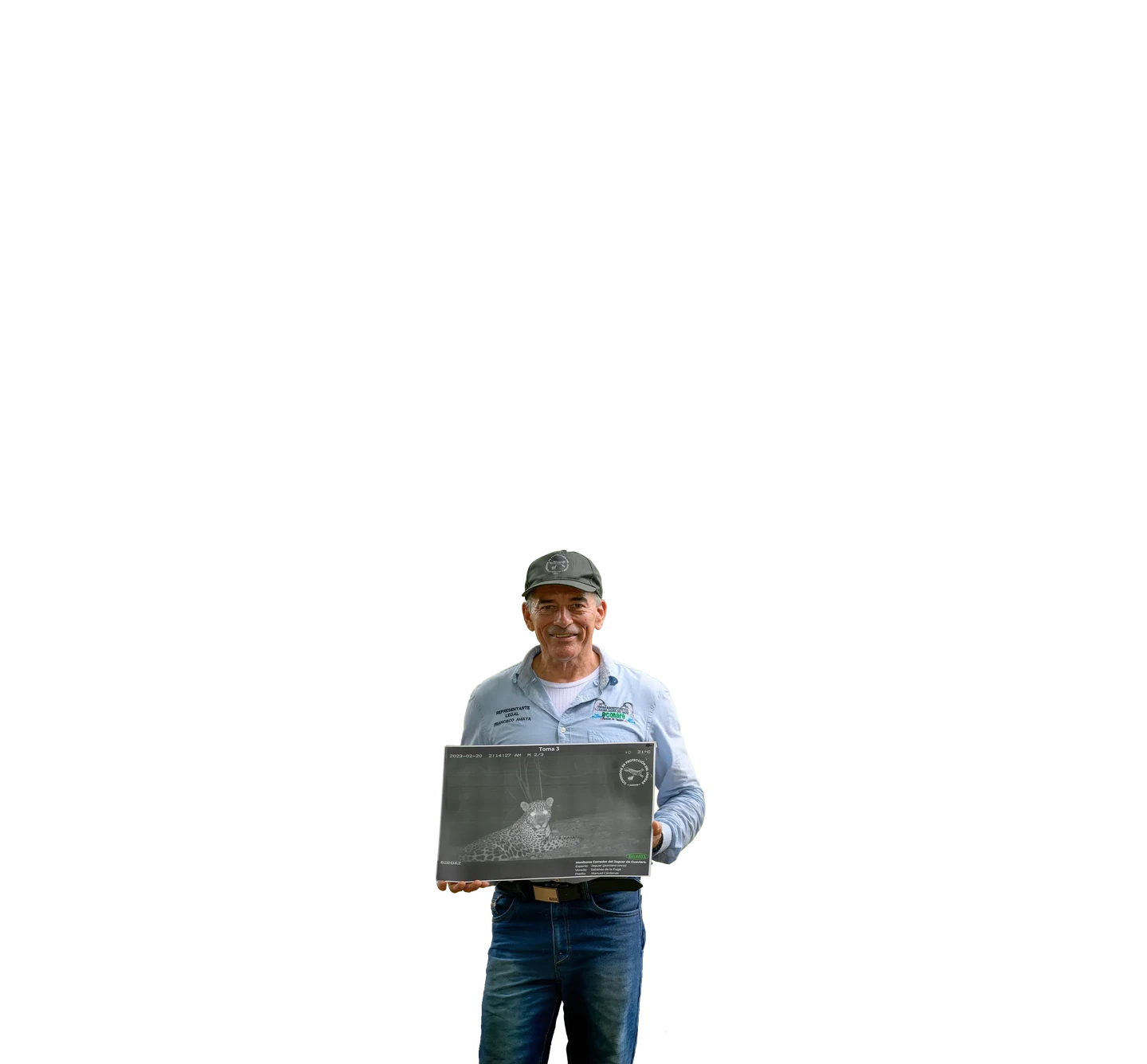
In Colombia, a Jaguar Protection Corridor is reconciling biodiversity conservation with the economic security of local communities.
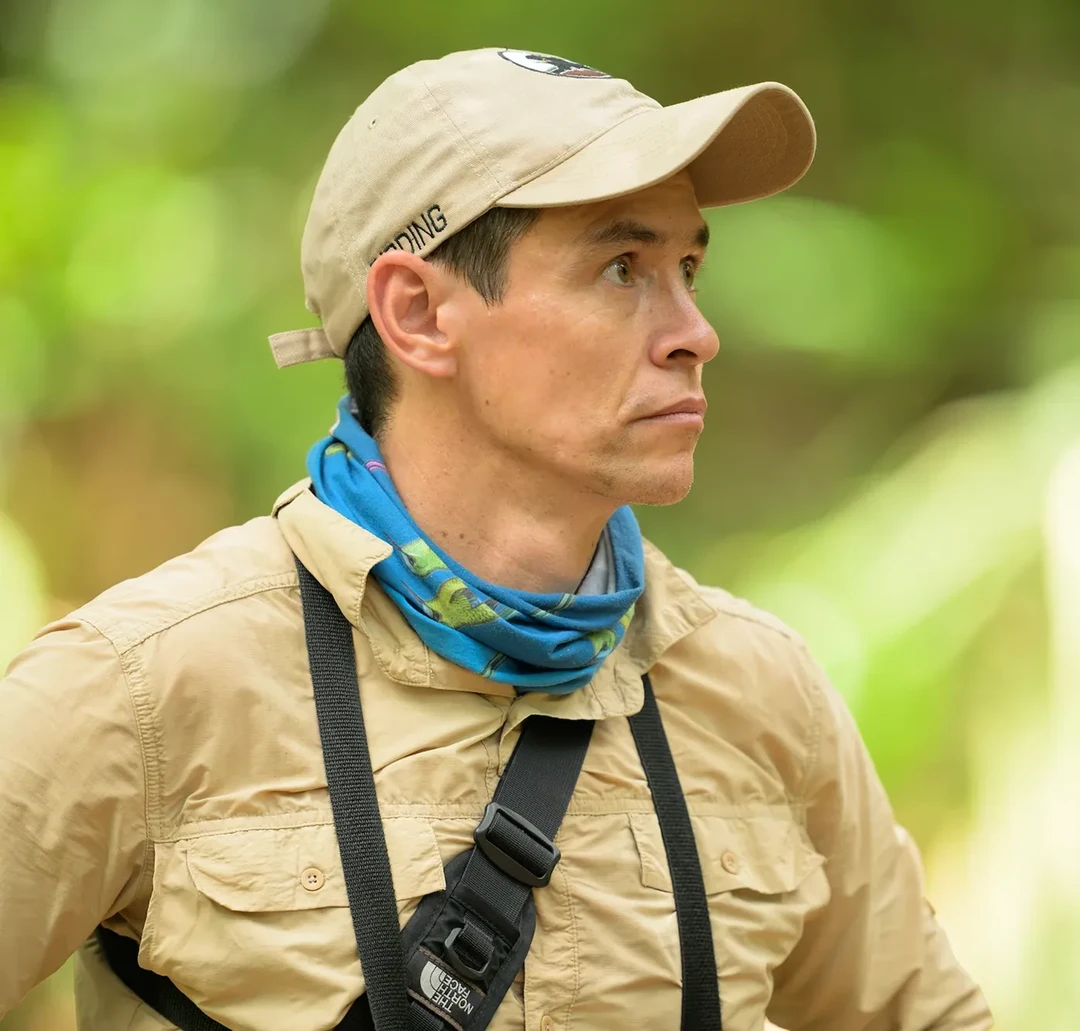
“Tourism is an economic alternative because sustainability must be economically rewarding. Otherwise… the outcomes won’t endure.” —Diego Díaz, Tour Guide
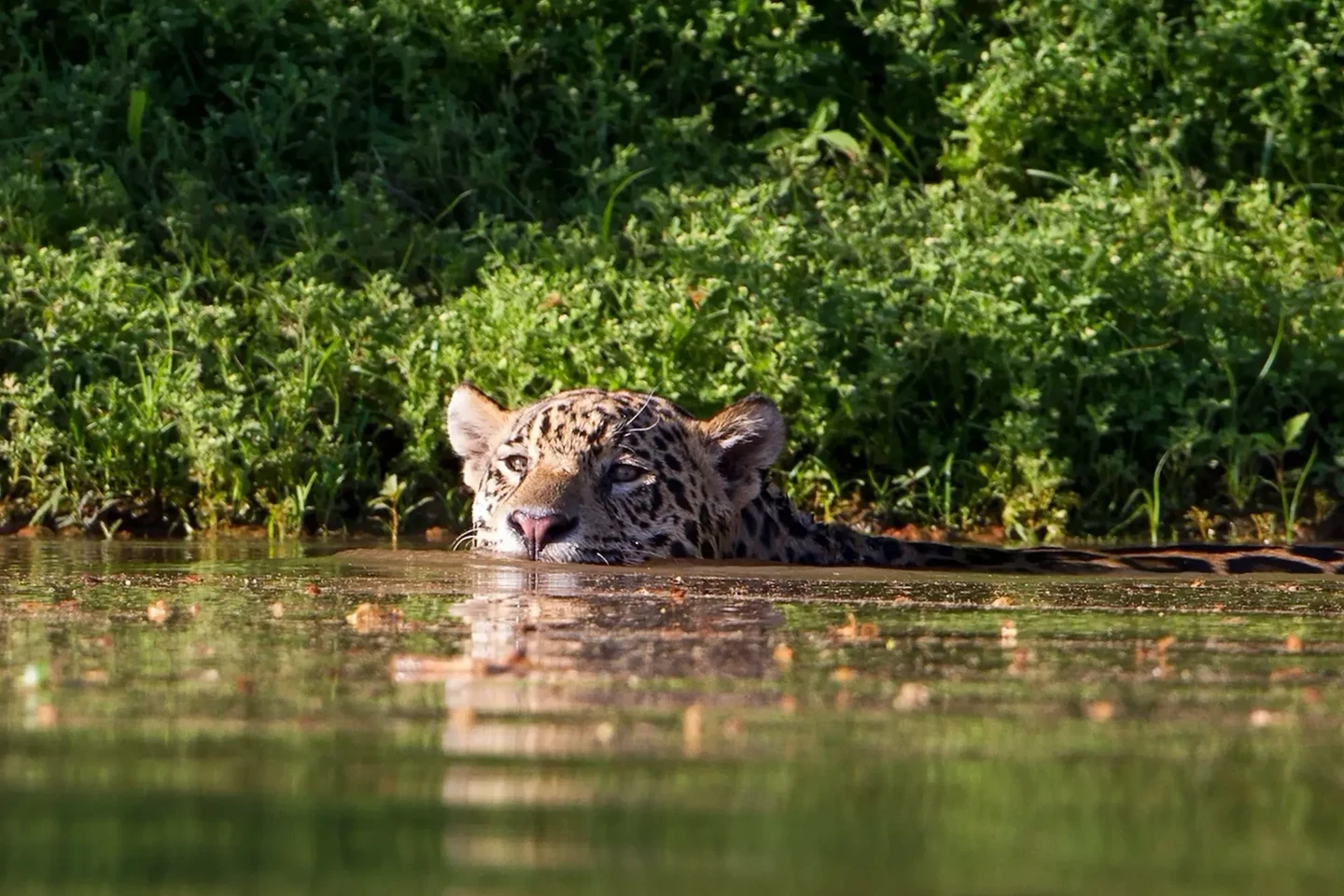
The jaguar is the third-largest wild cat on the planet. It is an apex predator and a key indicator of a thriving ecosystem. But in Colombia, not long ago, jaguar footprint sightings inspired fear along with awe.
Human-wildlife conflict flared as human activity encroached on the jaguar’s habitat. Growing human populations, hunting and unsustainable cattle ranching led to deforestation and loss of connectivity between ecosystems. As natural prey declined, hungry jaguars increasingly targeted livestock and domestic animals, triggering retaliatory killings that threatened the species’ survival.
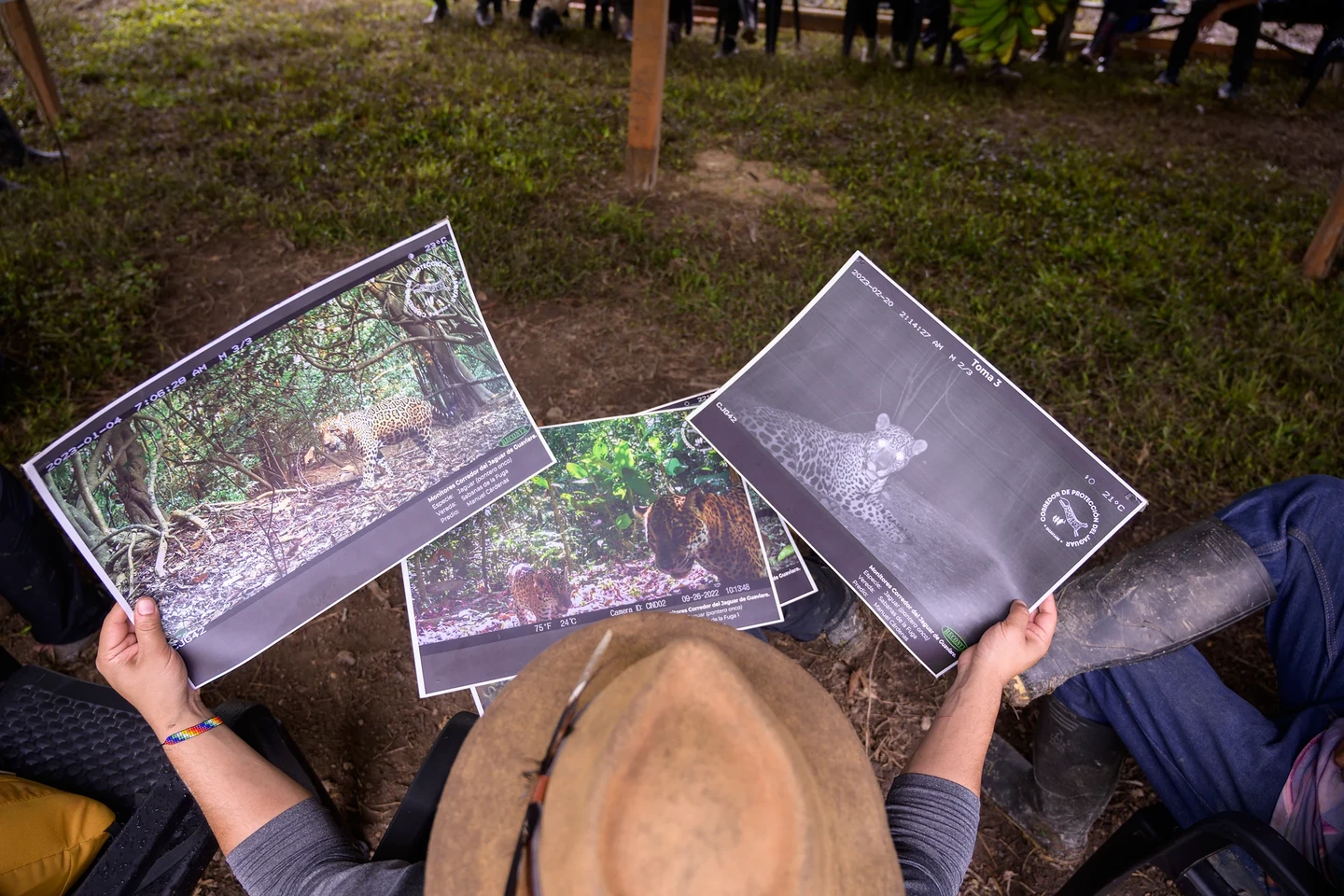
To protect both wildlife and local livelihoods, community organizations established the Jaguar Protection Corridor Strategy, with support from UNDP and partners. The GEF SGP joined the effort, providing technical support and funding to develop community‑based ecotourism initiatives that provide sustainable livelihoods. Community members monitor the jaguars and other fauna, and spread the word about how agriculture, livestock and ecotourism can coexist with conservation.

Fact
Nature-based tourism is big business, with about 8 billion unique visits to protected areas each year.
You cannot eat money
Biological diversity, or biodiversity, describes the delicately balanced, interwoven tapestry of life that every species on Earth depends on to flourish.
That tapestry is fraying.
The UN Environmental Programme says humans are pushing 1 million species towards extinction.
2026 will provide many opportunities to reverse this trend, which threaten our future and the species we share our home with. With the theme ‘Acting Locally for Global Impact’, the International Day for Biological Diversity on 22 May celebrates efforts to halt and reverse nature loss and advance the goals of the Kunming-Montreal Global Biodiversity Framework.
Biodiversity Day helps set the stage for three major environmental conferences taking place in 2026. These critical forums for multilateral action will focus on climate change, biodiversity and healthy land, not as stand-alone challenges but as intricately bound to each other and to economies and global security.
A healthy planet is non-negotiable if we are to imagine a world fit not only for ourselves but for future generations as well. Under the Nature Pledge, UNDP is supporting over 130 countries to meet their transformative targets and goals of the Kunming-Montreal agreement, and accelerate the transition to a nature positive, low carbon future where people and planet thrive together. Our 2026 Human Development Report will be joined by a new Nature Relationship Index, assessing how well nations are fostering mutually beneficial interactions between people and all other life forms.
“When the last tree has been cut down, the last fish caught, the last river poisoned, only then will we realize that you cannot eat money.”
—Native American saying