
Respond & Recover
restores essential services, livelihoods and local economies from day one.

It can last for years, even decades. Conflicts stretch across generations, displacement becomes prolonged, and communities can remain dependent on short-term humanitarian relief.
Today, more than 160 million people are living without the support they need to rebuild, while nearly 118 million people are displaced worldwide, and more than 250 million need humanitarian assistance.
With global aid falling by 23 percent in 2025, the gap between surviving a crisis and rebuilding a life is becoming harder to close.
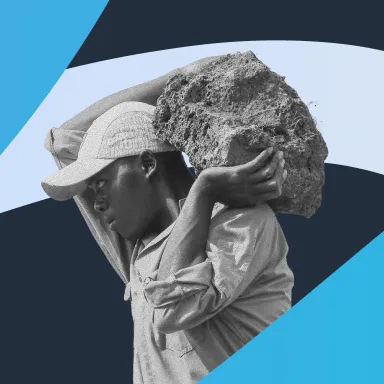
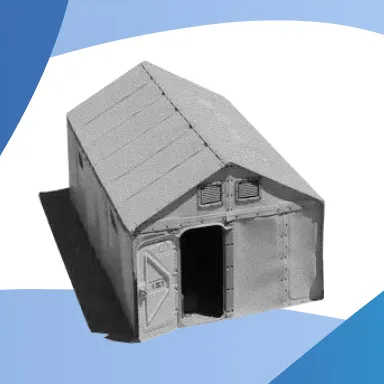
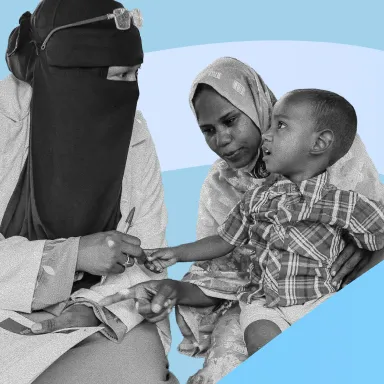
After the emergency hits, there comes the long list of things that make everyday life possible.
A child needs a school. A farmer needs safe land. A family needs a home. A business needs electricity, roads and customers.
For millions, these things remain out of reach long after the immediate danger has passed.
UNDP works with governments and communities to get these systems moving again, while crisis is still unfolding.


Using satellite imagery, artificial intelligence, seismic models and local data, UNDP’s RAPIDA platform produced an early picture of the disaster within hours, helping authorities plan the response. As more evidence became available, the assessment was refined to support recovery planning.
“UNDP was offering something the recovery process urgently needed: a common operational picture.” — Luis Francisco Thais, UNDP Resident Representative in Venezuela


With UNDP support, the Government of Ukraine and its partners are working to clear contaminated land and strengthen the systems needed for recovery.
Since 2022, more than 40,000 km² of land has been returned to productive use. Farmers can return to fields that were once too dangerous to use.
of land has been returned to productive use
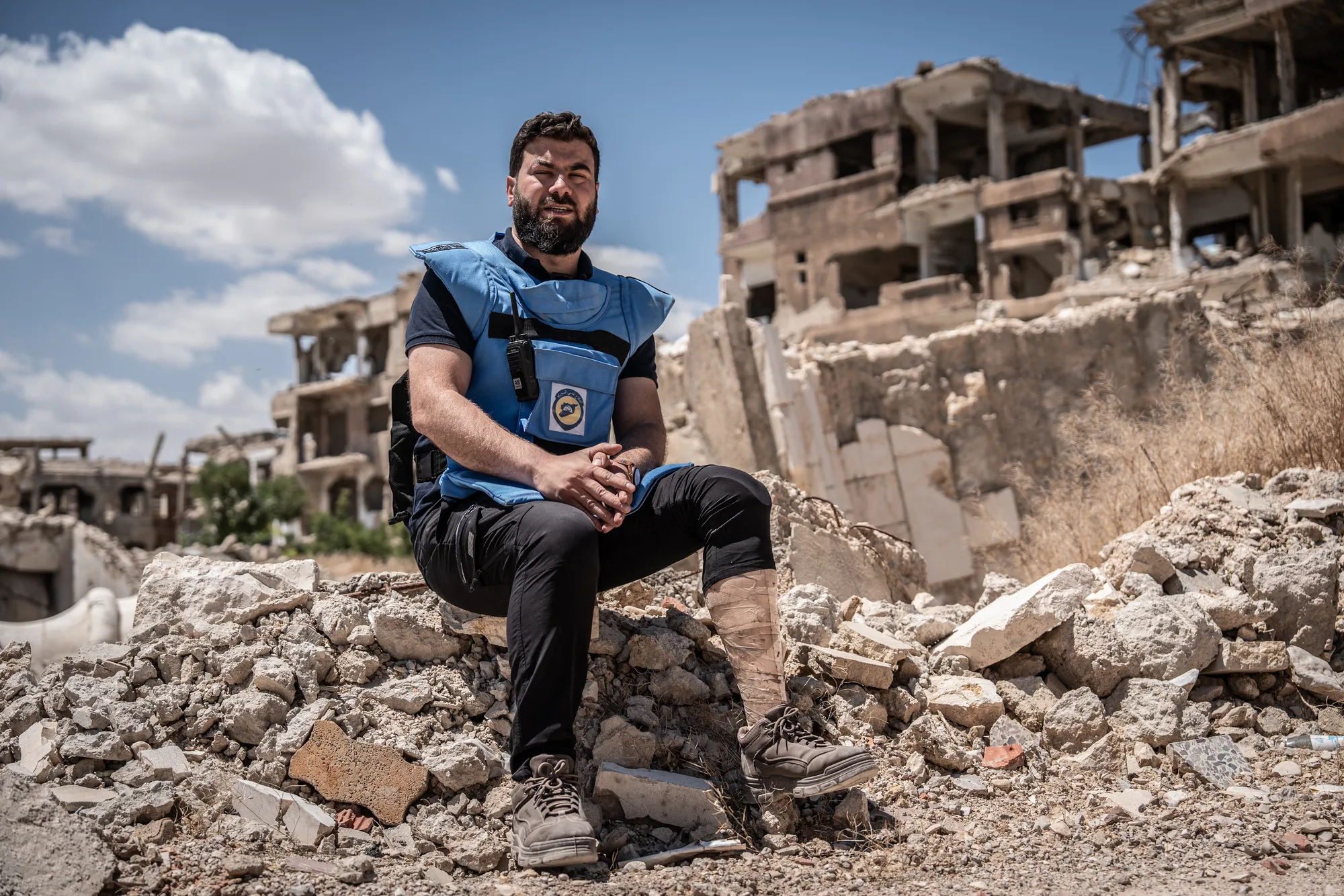
Hassan Telfah lost his leg while clearing explosive remnants during the conflict. Today, he continues clearing contaminated sites and training debris removal teams to recognize danger. UNDP has also provided risk education to teams working to clear approximately 3.15 million tonnes of rubble for reconstruction.


Through UNDP’s Community Resilience Programme, she showcased her products at a national trade fair, met buyers and secured new markets.
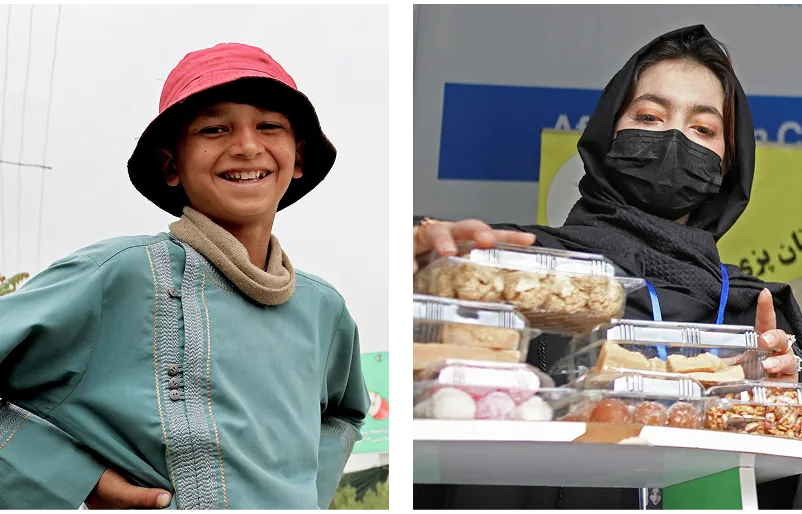
Visitors, farmers and entrepreneurs gather at the 2026 Agricultural and Livestock Exhibition in Kabul, creating new opportunities to connect with customers and markets.
Expecting twins, she wanted a safe place where her family could be together.
Through UNDP’s neighbourhood recovery approach, her family received temporary housing alongside debris removal, restored services and safer public spaces. Outside her shelter, she planted flowers.
“I’m trying to create a sense of stability.” — Mayyada, Gaza resident


In Gwoza, Ngala and Gulak, women’s groups are helping drive education, health awareness, peacebuilding, women’s rights and community safety.
“We are not just here to talk, we act.” — Hadiza, Women’s subgroup member in Gulak
From supporting survivors of violence to advocating for safer communities, women are turning local leadership into practical solutions.
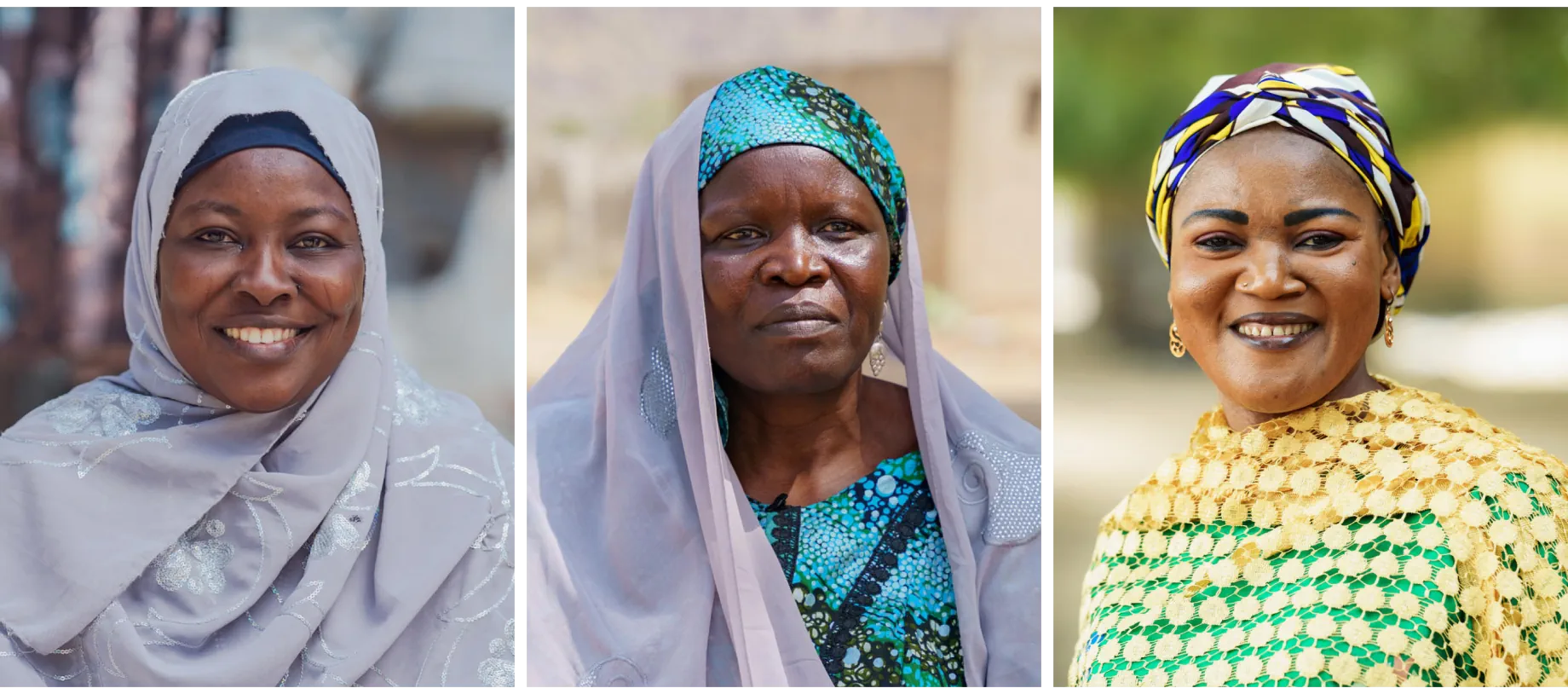
Falmata, Fanta and Hazida (left to right) are among the women leading recovery efforts and building safer, more inclusive communities across north-east Nigeria.
The challenge is growing. Fifty-nine percent of the world’s extreme poor will soon live in countries affected by fragility, conflict and violence.
UNDP’s Crisis Action Agenda focuses on development from day one of a crisis, alongside life-saving assistance, rather than waiting for the emergency to end. Our approach spans three complementary areas:
restores essential services, livelihoods and local economies from day one.
strengthens institutions and supports nationally led investment for lasting stability.
helps countries anticipate risks, strengthen resilience and reduce future humanitarian need.
A business finding customers. A farmer returning to safe land. Women strengthening their communities. A family planting flowers outside a transitional home. Small steps, but powerful signs that recovery is taking root.
The goal is to help people survive a crisis, return home, reopen a business, send their children to school and plan for tomorrow.
This is how we move beyond crisis.