Your
work is
our work
Why UNDP supports meaningful and dignified employment





Meaningful and dignified work is one of the most fundamental pillars of a fulfilled life and is recognized in Sustainable Development Goal 8 on decent work and economic growth.
Decent work is about far more than just money.
It provides a sense of...


Work is the most effective counter to poverty.
Over the past 25 years, the number of people living in extreme poverty has declined dramatically, despite the lasting impacts of the 2008 economic crisis, COVID-19 and a global recession.





This is a testament to UNDP’s core belief
that people can lift themselves
out of poverty,
if they have the tools to do so.

Supporting jobs creation and entrepreneurship is a cost-effective investment.
UNDP partners with communities and people across the globe, no matter how difficult their circumstances, to encourage small businesses and entrepreneurs, including through training and seed funding, and particularly for marginalized groups, as they provide for their families and respond to the specific needs of their communities. It works with governments, the World Bank and International Labour Organization in its Jobs for Prosperity Facility, which identifies where future jobs will come from and works to match worker skills with labour market demand.


The power of entrepreneurship
Small businesses play an outsized role in the economies of Latin America and the Caribbean. They represent more than 99.5 percent of formal businesses. Micro enterprises account for about 60 percent of formal employment.
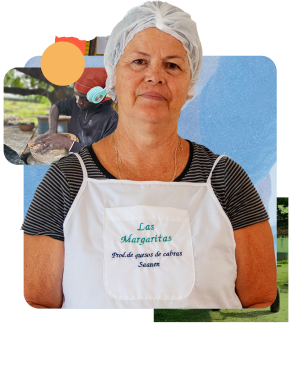
In Cuba, with funding from the European Union, UNDP works with the Ministry of Agriculture, supporting women farmers with training and capital and in developing small-scale livestock and produce farms.

By putting love and care into what you do, your dreams can become a reality.
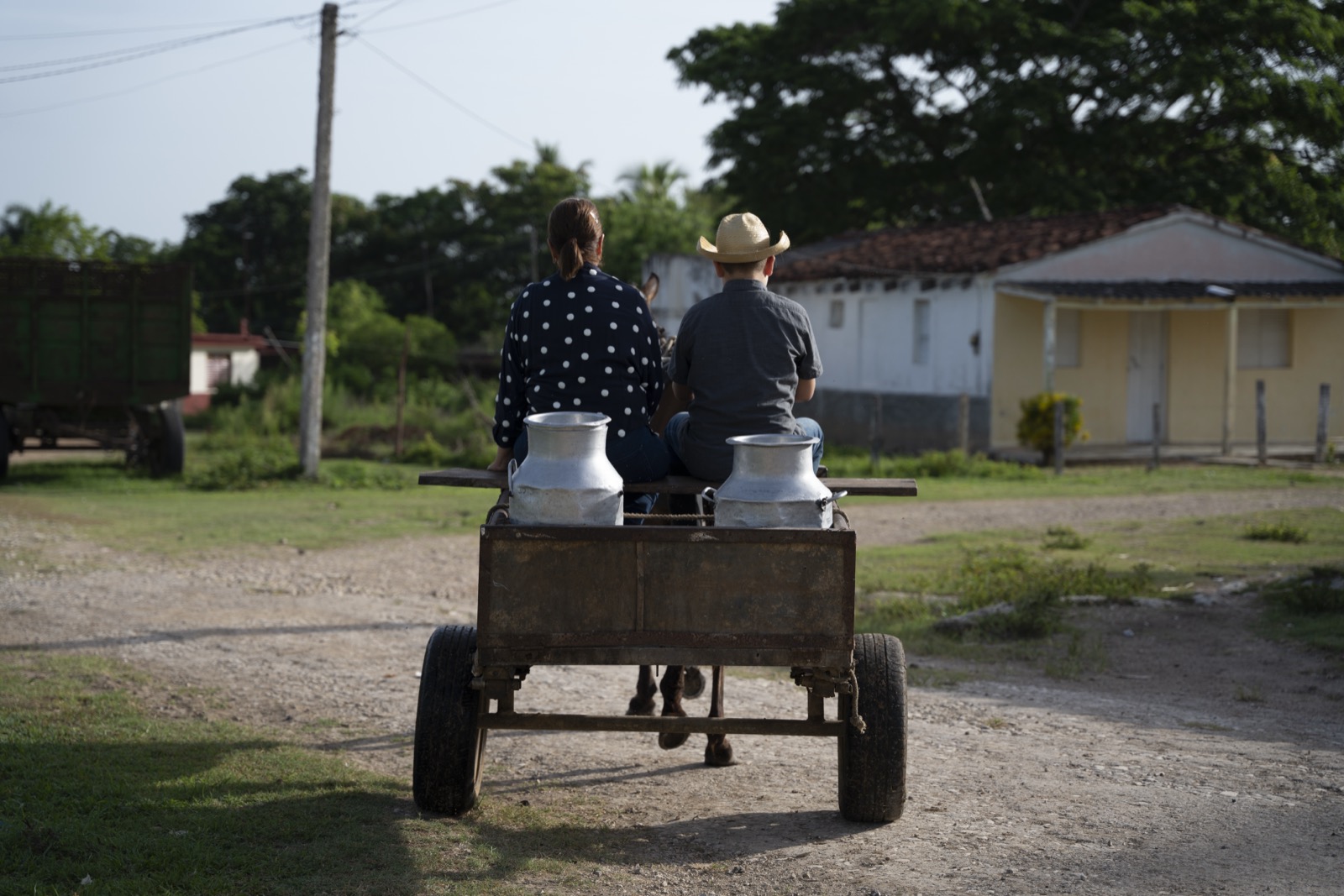
Milk is transported from Las Margaritas farm in Camajuaní, Cuba, where Caridad and her family raise Saanen goats and produce artisanal cheese.
UNDP Cuba
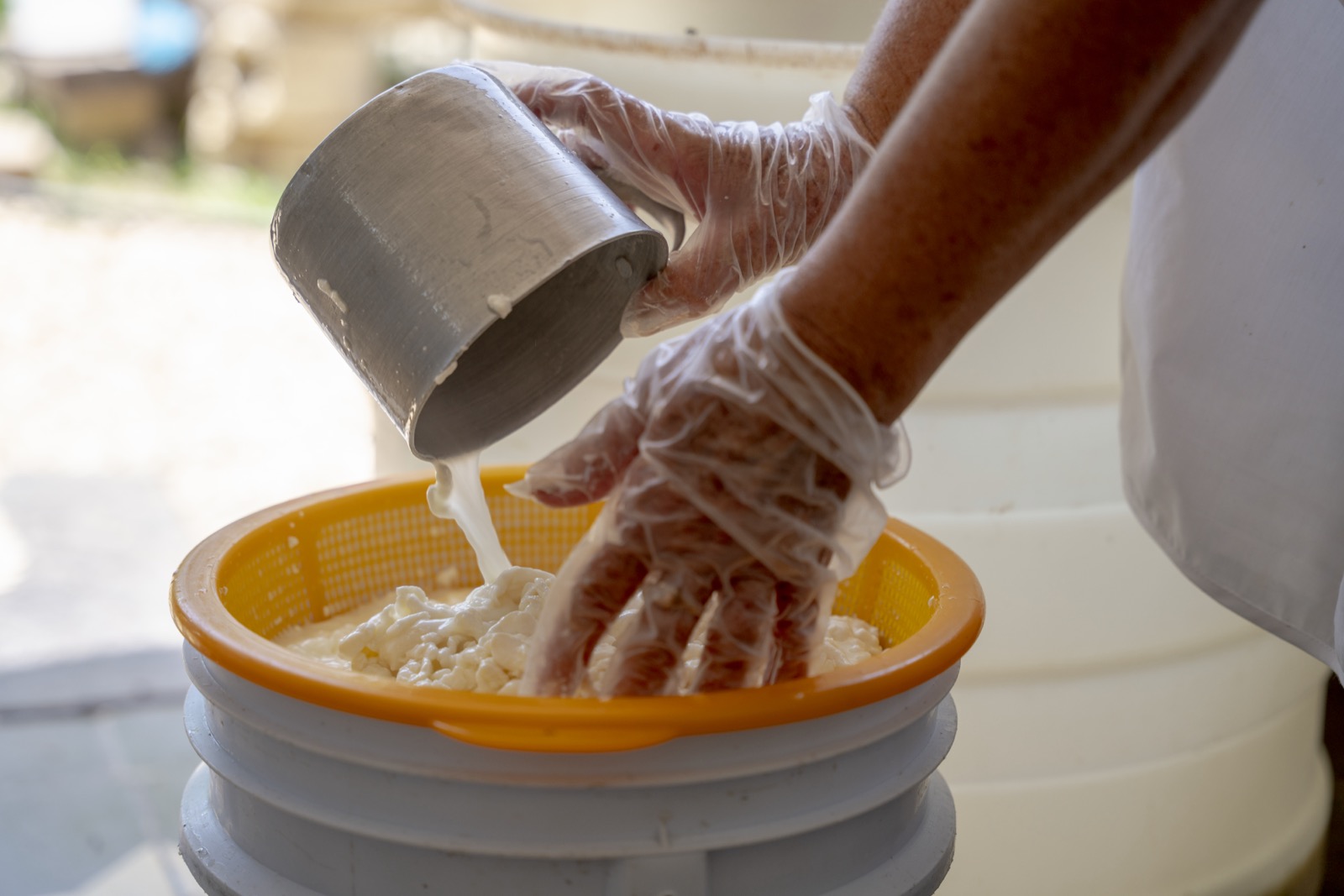
Goat’s milk is strained during the cheesemaking process at Las Margaritas farm. Caridad learned the craft from her mother and now works alongside her daughters.
UNDP Cuba

Caridad’s family at Las Margaritas farm in Camajuaní, Cuba. The family works together raising goats and producing artisanal cheese.
UNDP Cuba
In Jamaica, UNDP, the European Union and the Ministry of Agriculture, Fisheries and Mining support the island’s rich clay resources and the potters that depend on them. Small grants allow artisans to upgrade their equipment and access further training.

I learned how to make moulds and glazes and how to be more balanced in my approach to my craft.
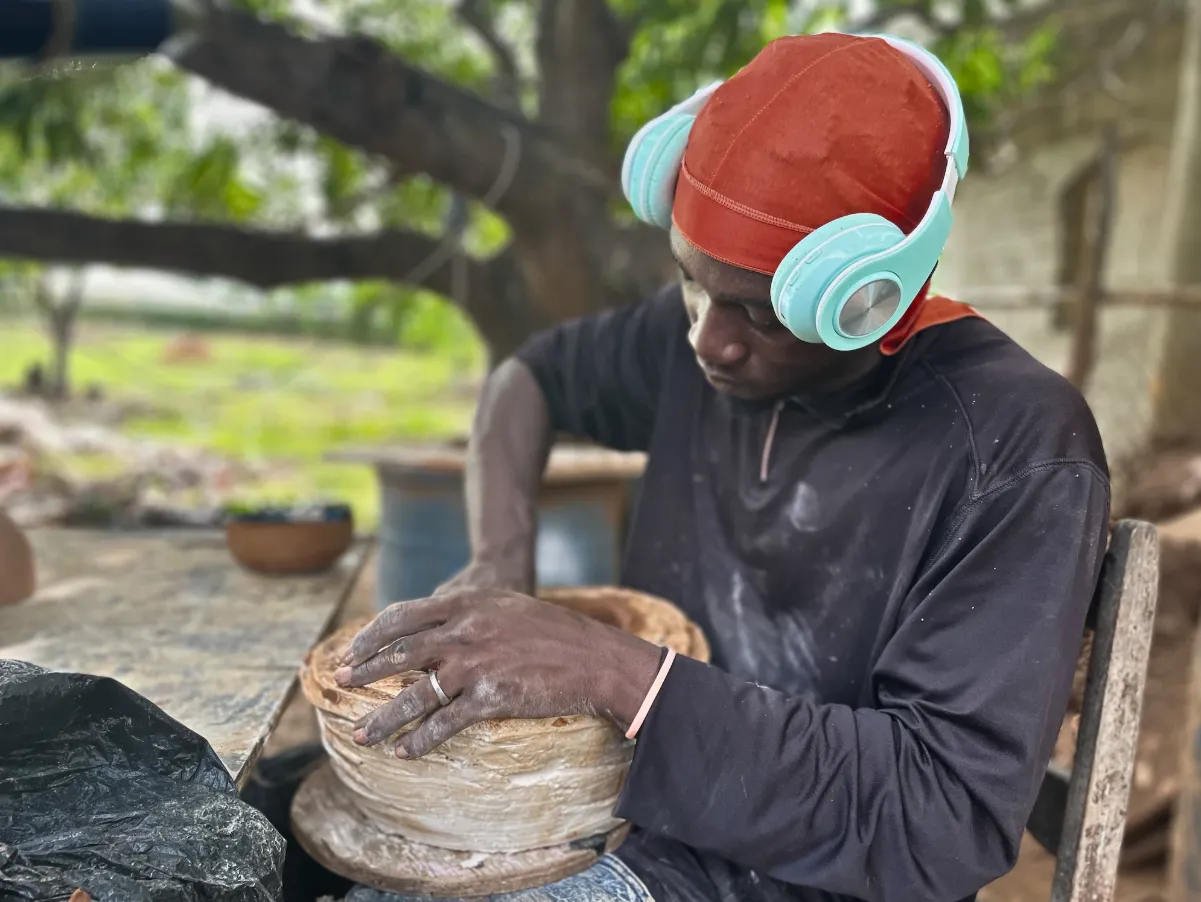
UNDP supports Jamaica’s clay and pottery sector through training, equipment and small grants, helping artisans strengthen their craft and sustain local livelihoods.
UNDP Jamaica / Ricardo Makyn



Microloans for microenterprises
Long-term resilience is the goal of the social protection programme Takaful and Karama in Egypt. With the support of the European Union, nearly 900 loans are supporting small businesses in eight governorates. Special considerations, such as reduced interest rates, are enabling persons with disabilities to branch out with their own enterprises. Without such initiatives, disabled Egyptians like Yahia face significant challenges finding meaningful work and contributing to their families’ finances.

I immediately applied for the loan. We got it and started our small kiosk, and it truly changed our life.
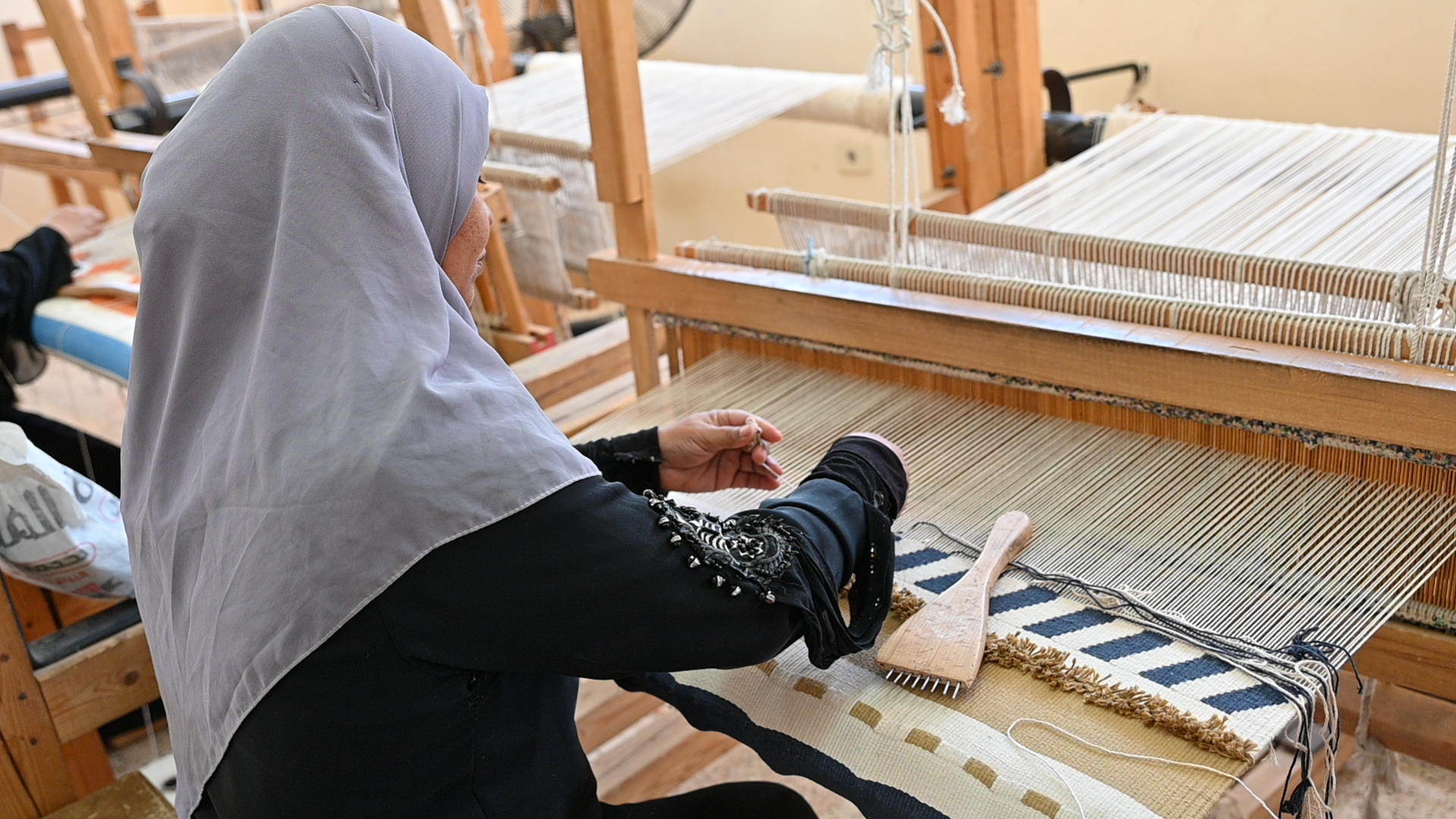
The weaving of Ferka silk on a wooden loom is a tradition in Upper Egypt. With support from UNDP and partners, women are gaining skills, preserving local craftsmanship and creating new livelihood opportunities.
UNDP Egypt

Even in conflict, secure work improves lives.
With support from the Government of France, UNDP is working with food and agricultural cooperatives in south Lebanon, distributing grants which enable them to produce essential goods such as olive oil, jams, za’atar and honey that improve food security while preserving Lebanon’s culinary traditions.

The grant allowed us to restore our facility and keep our members employed. Without it, we would have lost everything.
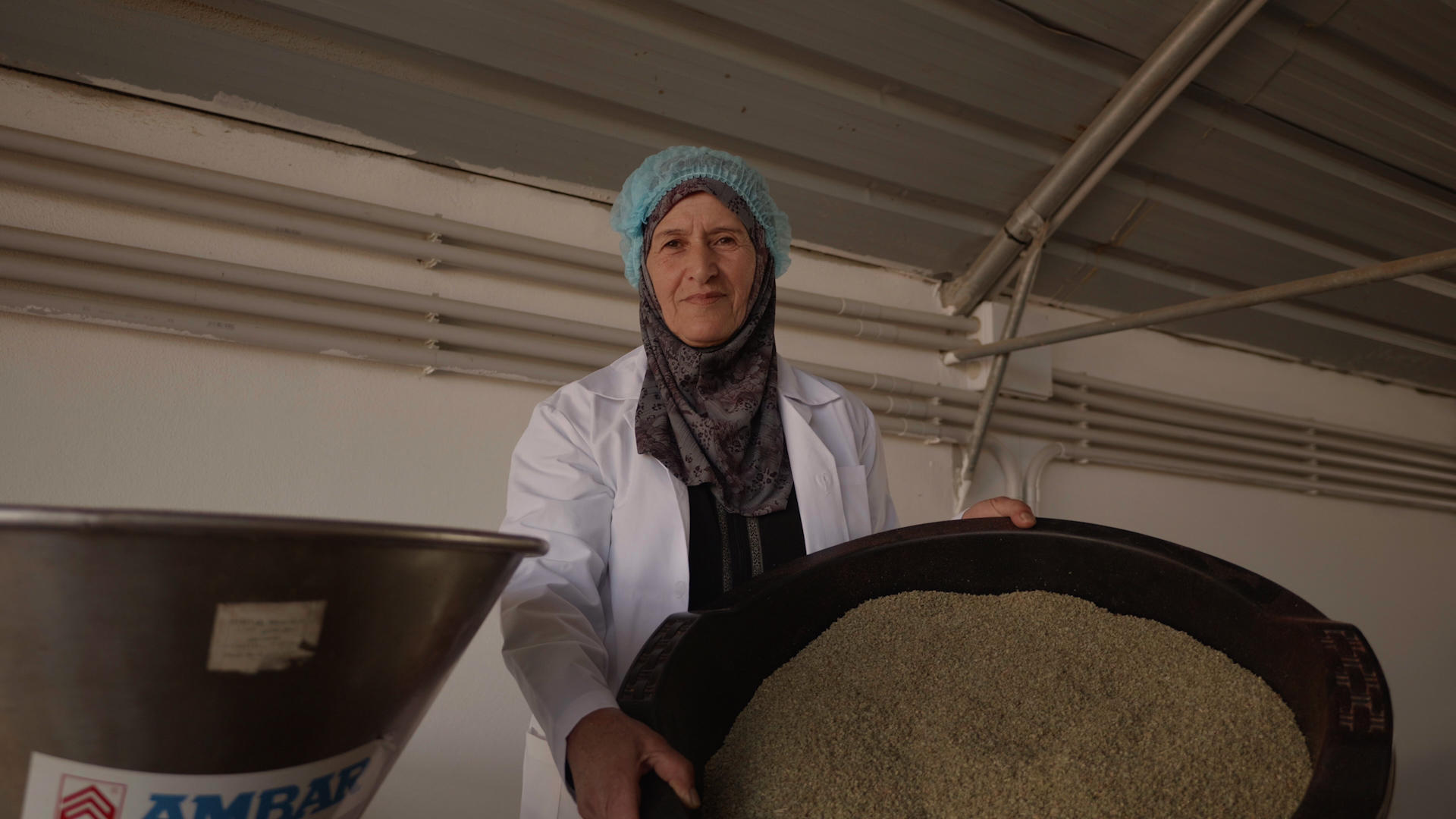
UNDP is helping food and agricultural cooperatives in Lebanon restore production, sustain livelihoods and strengthen local food security, with support from the Government of France.
UNDP Lebanon



Women and Work
Women perform the lion’s share of unpaid work, which means paid work is often out of reach.
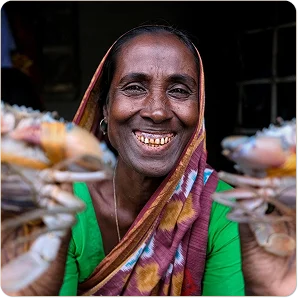
Meaningful paid work can not only transform their families’ fortunes but also change the way women are perceived. In Bangladesh, sustainable crab farming and hydroponics have opened up new opportunities. The programme, supported by the Green Climate Fund, has proven that women can do this work once seen as only suitable for men. And it has improved the health of their communities by adding more fresh vegetables to their diets.
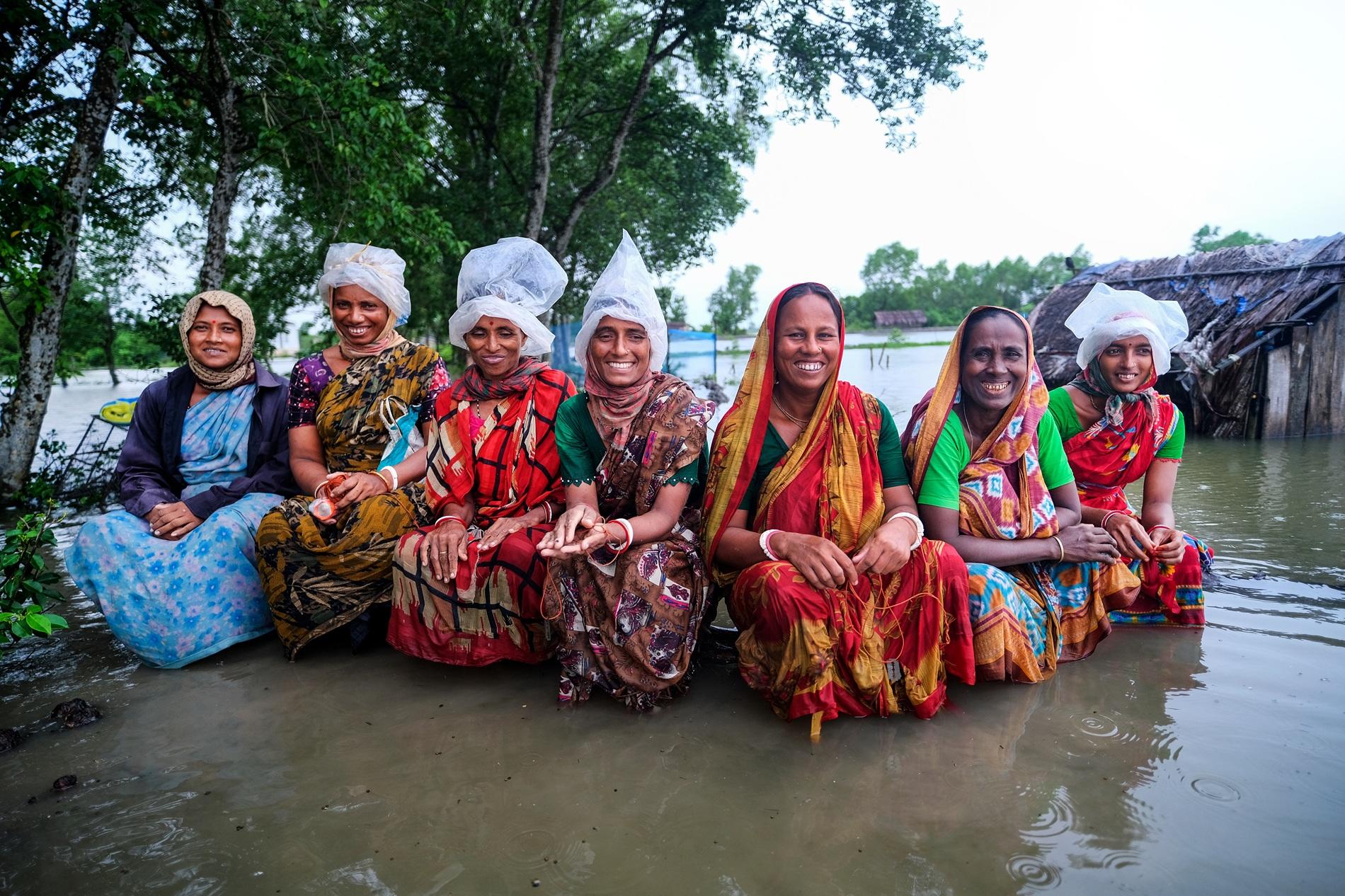
With support from the Green Climate Fund, UNDP is helping women in coastal Bangladesh build climate-resilient livelihoods through sustainable crab farming and hydroponics.
UNDP Bangladesh
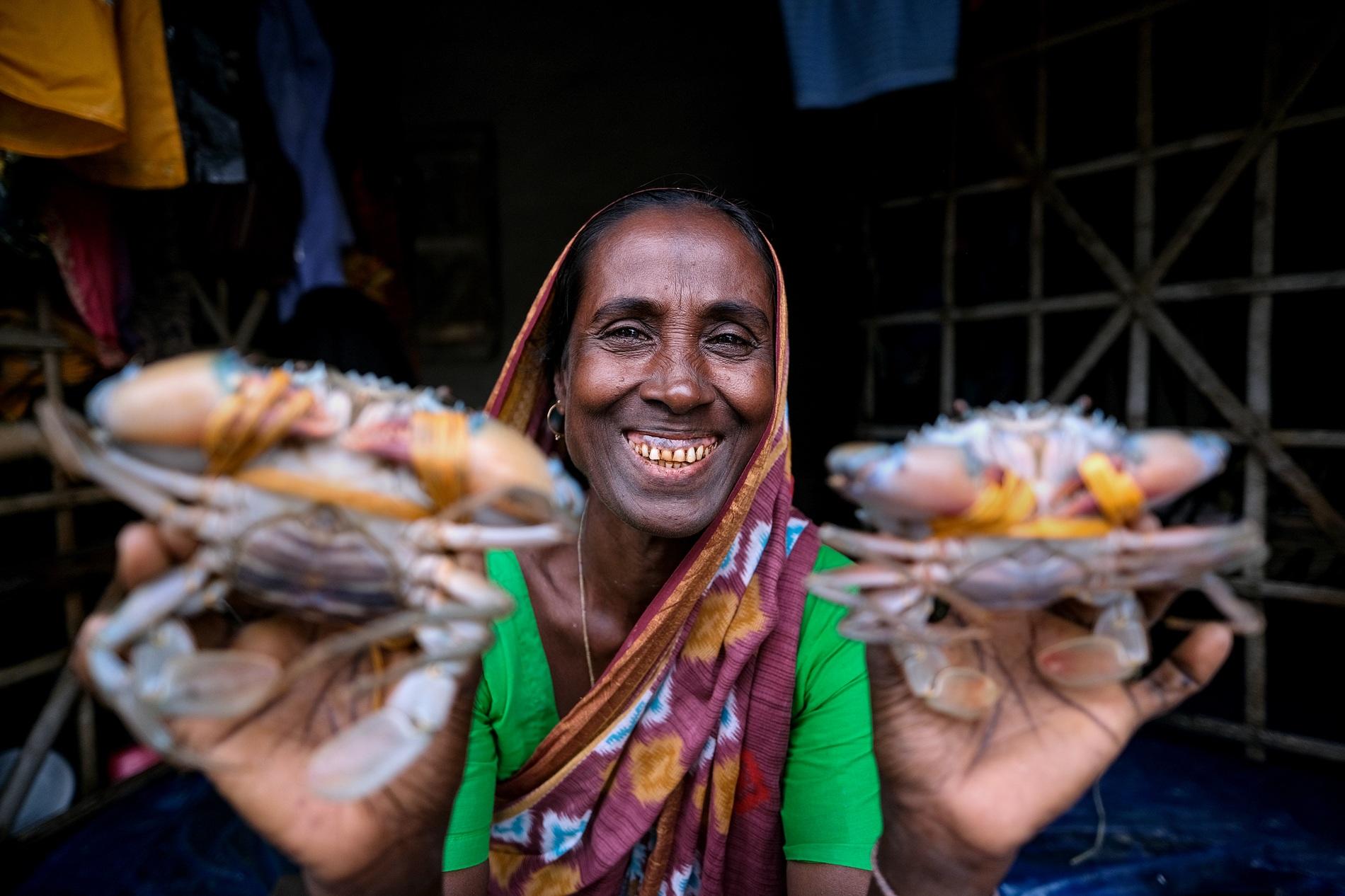
Women from the Monpura Women Livelihood Group in Khulna, Bangladesh are gaining new income opportunities and a stronger voice in their communities through climate-resilient livelihoods.
UNDP Bangladesh
In Tamil Nadu, India, women with little formal education are grasping new opportunities through skills training linked to decentralized renewable energy systems. With access to solar-powered sewing machines, women like Jayalakshmi have learned tailoring and have established successful home-based businesses.

When the team first came, I wasn’t sure if I could learn all this. I had never used a machine before. But they kept encouraging us, so I decided to try.

UNDP is helping women in Tamil Nadu build home-based livelihoods by combining practical skills training with access to decentralized renewable energy.
UNDP India

UNDP supports affordable childcare models in India to help reduce unpaid care burdens and enable more women to participate in paid work.
UNDP India
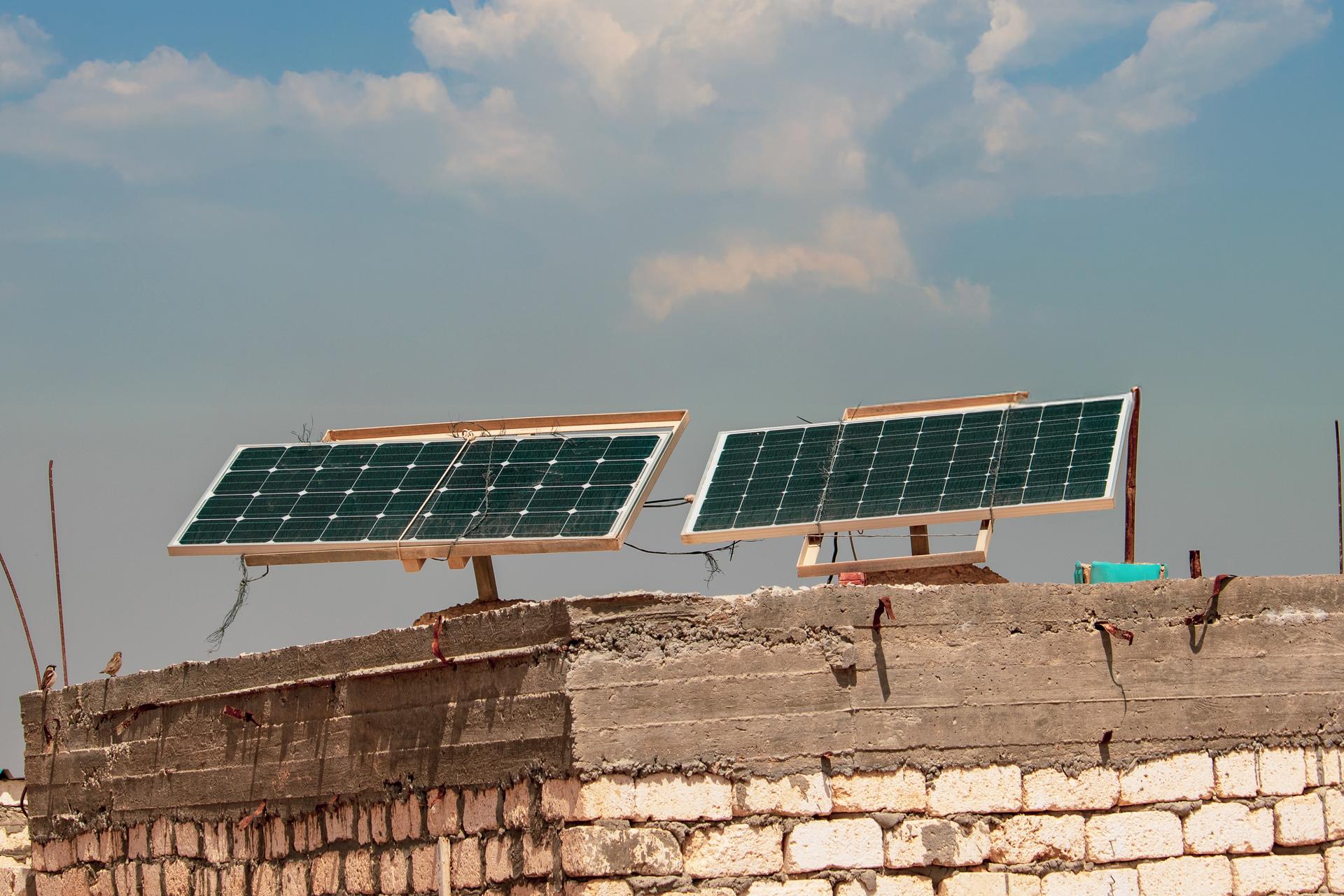
Solar provides reliable energy for women-led micro-enterprises in Tamil Nadu, supporting steady incomes and stronger household resilience.
UNDP India


Powering the ideas of young people
Much of Africa’s wealth lies in the dynamic potential of its young people. UNDP’s timbuktoo initiative brings together governments, universities, the private sector and investors to power the next generation of innovators as they plant the seeds of successful businesses.
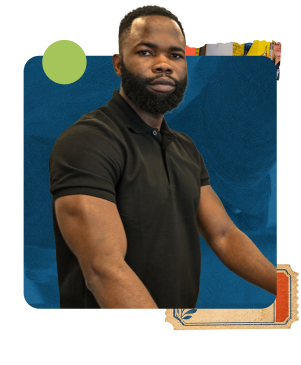
For electrical engineer Emmanuel Malamba growing up in rural Malawi, living without electricity meant every day having to walk several kilometres to school and at night studying by candlelight.
At the time, mini-grids seemed like the solution, but communities were not able to collect the payments efficiently, which led to people paying a fixed amount, no matter how little energy they used.
To tackle this issue, Malamba, now a graduate student, is working on a metering system at the University Innovation Pod (UniPod) at the Malawi University of Business and Applied Sciences. The idea is simple: users only pay for the energy they use.

With UniPod’s support, we’ve developed a prototype that could revolutionize how rural mini-grids operate.
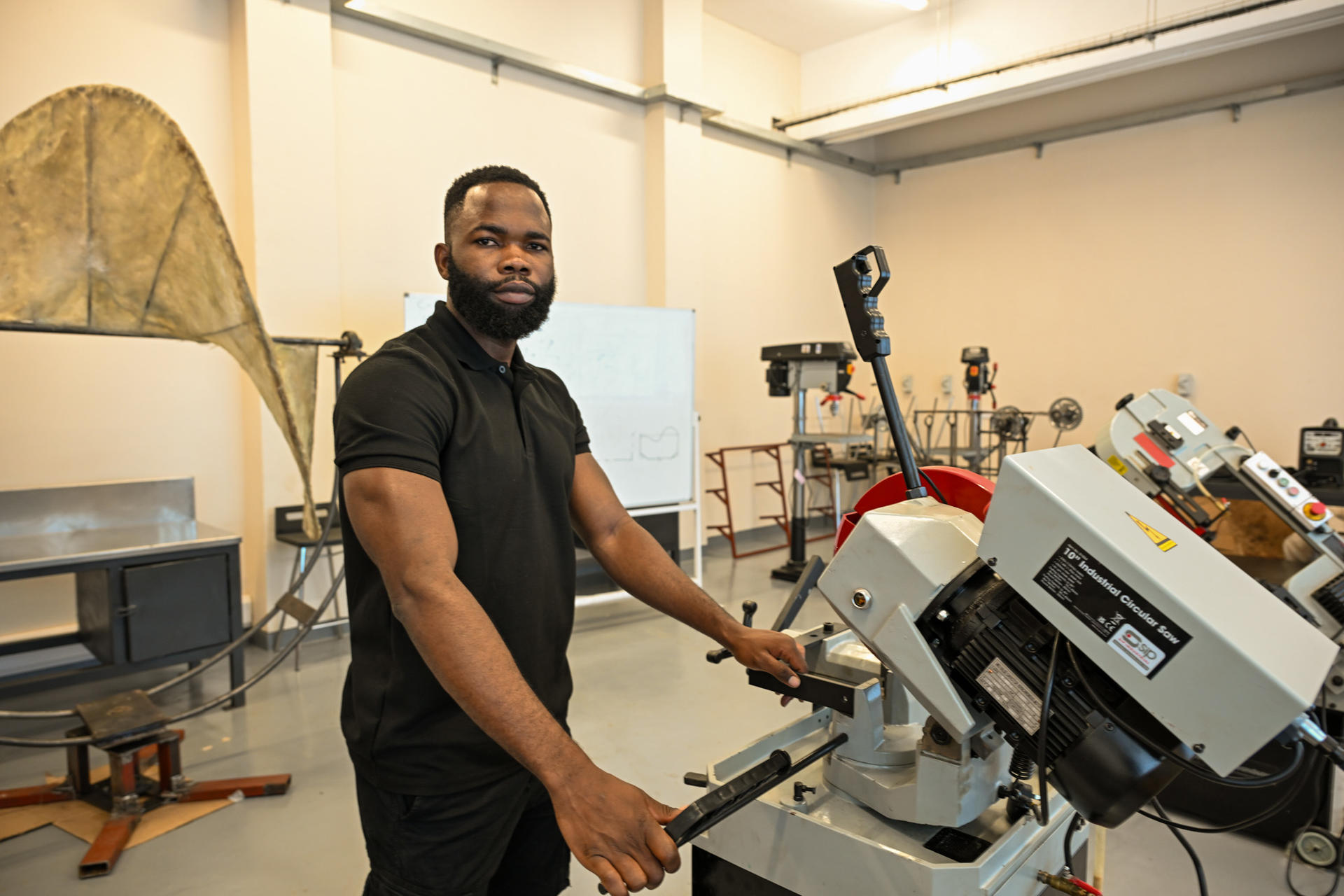
Emmanuel Malamba is developing a metering system to help make rural mini-grids more sustainable and affordable.
UNDP Malawi

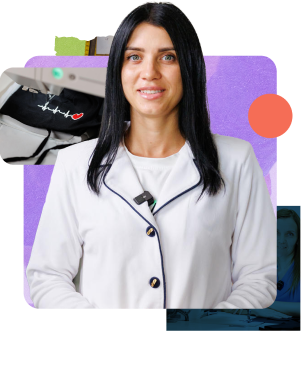

‘We realized we could do more’
COVID-19 caused many people to rethink their life goals. For some that meant carving out new careers to cater to emerging needs. Iulia, an economist in Moldova, teamed up with her mother, a seamstress, to create a sewing atelier in Tiraspol. What started out as a pandemic necessity became, with the support of UNDP and the European Union, a thriving workshop producing uniforms for health care workers, food service staff and beauty professionals.
We sewed masks in large quantities and took on many orders. Then we moved on to individual orders and, little by little, we realized that we had to do something else. We realized that we could do more.
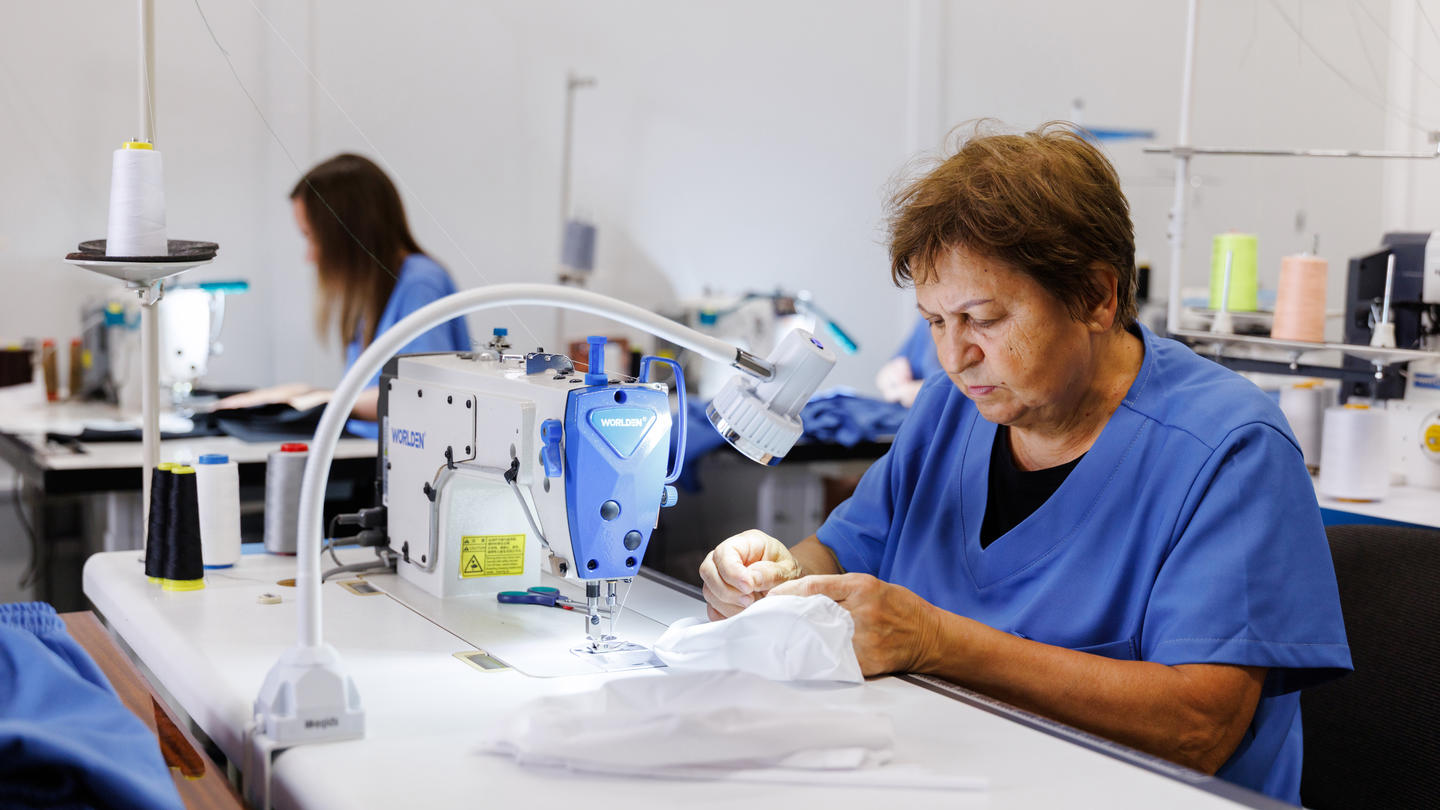
At the Fatin sewing atelier in Tiraspol, skilled sewers produce uniforms for health care and other professionals.
UNDP Moldova
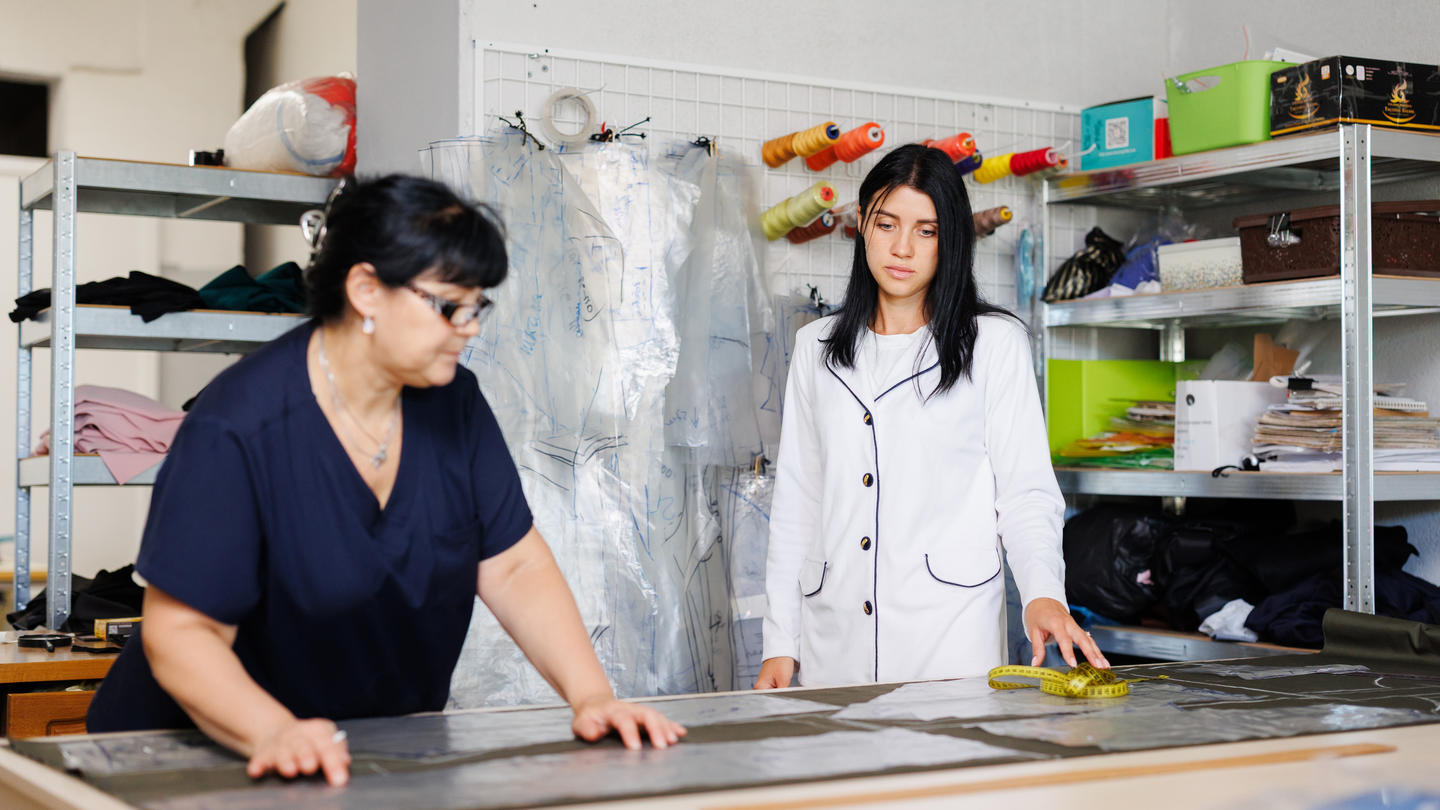
Iulia Cernobrivcenko’s atelier has grown from a home-based business into a modern workshop, creating jobs and producing professional uniforms.
UNDP Moldova
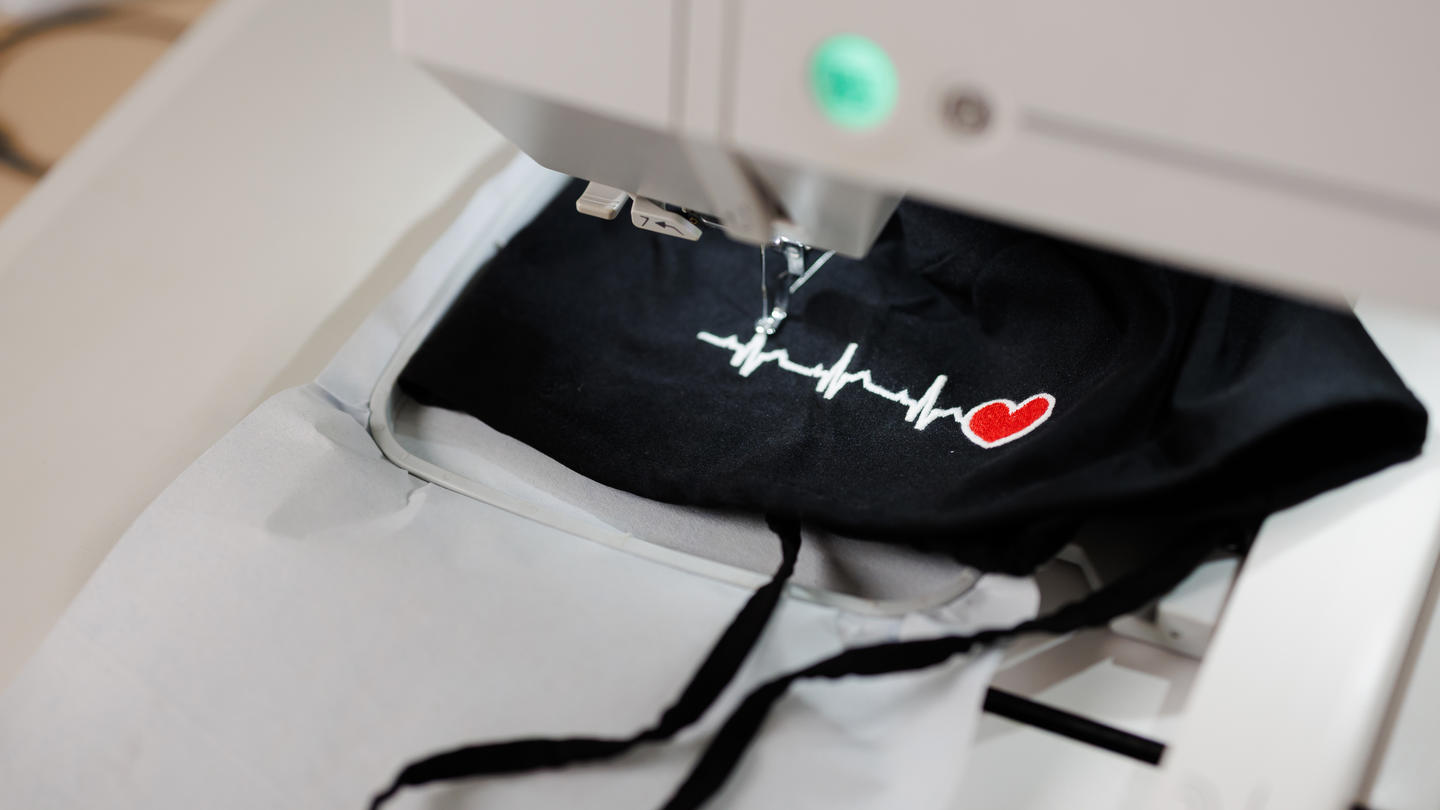
New equipment is helping Fatin expand production and improve quality as the atelier develops its range of medical and protective workwear.
UNDP Moldova
A tailored response
Decent work is critical to achieving the Sustainable Development Goals. It lifts people out of poverty, providing income that opens access to other critical needs. Each worker’s story is different, and UNDP’s response is tailored to each context. What changes from country to country and person to person is the tool: a loan, a grant, a training course. What stays the same is what people do with opportunity once it’s in their hands.